LPG gas (liquefied petroleum gas) is propane, butane or a mix of the two, kept as a liquid under pressure in a cylinder and drawn off as vapour to light a stove, fire a geyser or warm a room. Many South African homes moved to it during load shedding, and restaurants, lodges and farms have used it for years. This page covers cylinder sizes, exchange and refill, how LPG is priced and how to get set up safely. Send one free, no-obligation request and gas suppliers near you quote you directly.
What LPG is and how it behaves
Inside a full cylinder most of the gas is liquid. When you open the valve, vapour comes off the top and the regulator brings it down to the pressure your appliance needs. In South Africa LPG is sold by the kilogram, not the litre, so a 9 kg cylinder holds 9 kg of gas on top of the steel's own weight. LPG is heavier than air. A leak sinks and gathers at floor level, in drains, pits and basements, which is why cylinders stand outside in the open air. A smell is added so you notice a leak long before it builds up.
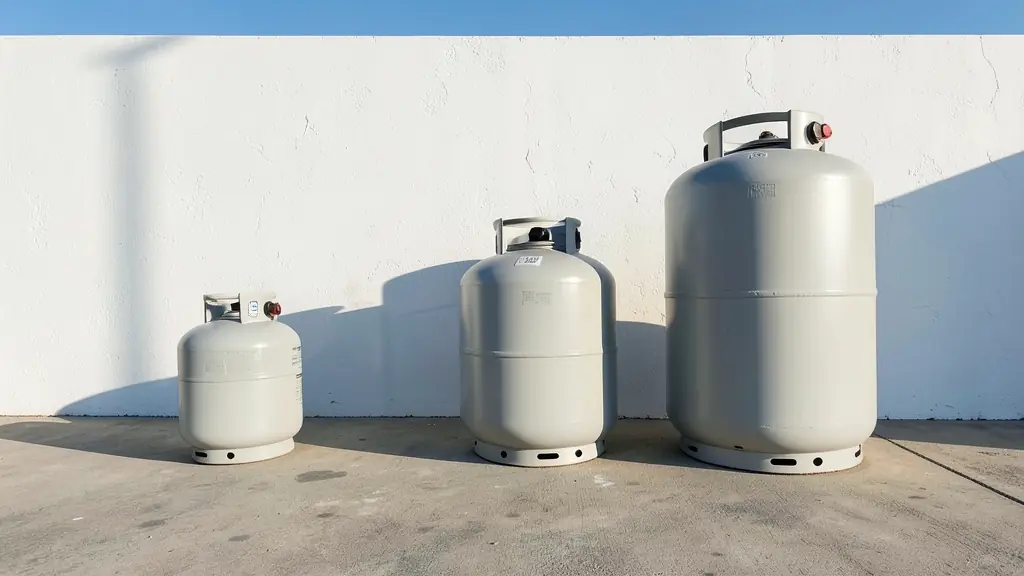
Cylinder sizes, from camping to bulk
The right size depends on what you run and how often you want to change cylinders.
- 1 kg and 2 kg: camping cylinders for a lamp or a small cooker.
- 3 kg and 5 kg: small cylinders for a cooker top, caravan or 4x4 trip.
- 9 kg: the household standard for a stove, heater or braai.
- 19 kg: the in between size for a hob and oven.
- 48 kg: big cylinders for geysers, busy kitchens and guest houses, usually two on a changeover.
- Bulk: a tank filled on site by a tanker for heavy users.
Sizes of 7 kg and 14 kg turn up in places, and forklifts use their own cylinder type.
Exchange, refill and the price per kg
There are two ways to get gas. With an exchange you hand in an empty cylinder and take a full one of the same type. With a refill, a station fills your own cylinder by weight. Many branded cylinders belong to the gas company and are held on a deposit or rental, so they are only exchanged or filled within that system. Cylinders you own outright can go to independent refill stations. The government sets a maximum retail price for residential LPG every month, with one figure for the coastal zone and a higher one inland. Dealers may sell below it, and delivery is often charged on top.
Getting set up and choosing a dealer
A braai, patio heater or portable heater plugs straight into a cylinder with a regulator and hose. A stove, hob, geyser or fireplace piped to a cylinder outside is an installation: a gas practitioner registered with SAQCC Gas does the work under SANS 10087-1 and issues a Certificate of Conformity. See gas installation for what that job involves. When you compare dealers, ask whether they exchange or refill, which cylinders they take, what a deposit or first cylinder costs, how they deliver and how they handle a cylinder that runs out on a Sunday night.
What to include in your request
- List the appliances you run on gas
- Say which cylinder sizes you use now
- Say if you want exchange, refill or delivery
- Mention if your cylinders are owned or on deposit
- Ask for gas, deposit and delivery priced separately
LPG Gas Supply for different clients
- Homeowners: cooking, a tankless geyser and a heater in winter, with cylinders kept outside
- Complexes, estates and body corporates: gas for units where the body corporate sets rules on cylinder size and placement
- Restaurants, takeaways and bakeries: steady gas for ranges, fryers and ovens in restaurants, takeaways and bakeries
- Guest houses, lodges and venues: hot water, kitchens and fireplaces at guest houses and lodges far from town
- Farms and smallholdings: poultry brooders, crop drying and the farmhouse kitchen on a regular supply
- Factories, warehouses and workshops: process heat, forklifts and workshop burners in factories and warehouses
- Campers, caravanners and event hosts: camping stoves, caravan hobs, braais and patio heaters for trips and parties
- Gas installers, plumbers and dealers: installers and plumbers sourcing gas and cylinders for new client installations
Frequently asked questions
What is the LPG gas price per kg in South Africa?
Is LPG gas safe to use at home?
How do I find an LPG gas supplier near me?
What can run on LPG?
LPG Gas Supply by province and city
- Johannesburg
- Pretoria
- Centurion
- Midrand
- Sandton
- Randburg
- Roodepoort
- Krugersdorp
- Randfontein
- Germiston
- Boksburg
- Benoni
- Kempton Park
- Alberton
- Vanderbijlpark
- Vereeniging
- Durban
- Pinetown
- Pietermaritzburg
- Richards Bay
- Newcastle
- Ladysmith
- Gqeberha (Port Elizabeth)
- East London
- Kariega (Uitenhage)
- Mthatha
- Cape Town
- Bellville
- Paarl
- Stellenbosch
- George
- Worcester
- eMalahleni (Witbank)
- Middelburg
- Secunda
- Mbombela (Nelspruit)
- Rustenburg
- Brits
- Klerksdorp
- Potchefstroom
- Mahikeng
- Polokwane
- Tzaneen
- Kimberley
- Upington
- Bloemfontein
- Welkom
- Sasolburg