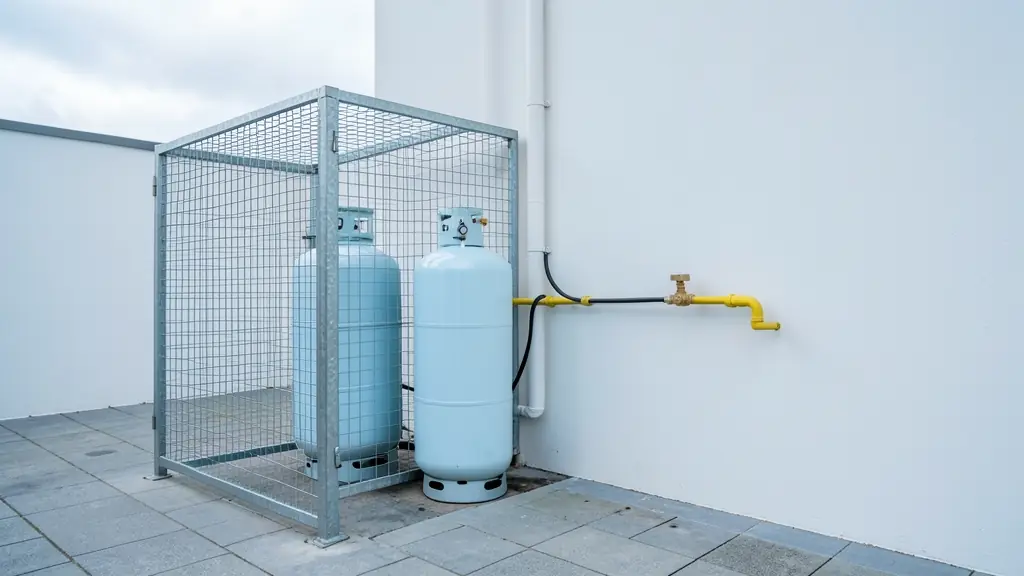
A gas compliance certificate, properly called a Certificate of Conformity or CoC, confirms that an LPG installation was checked and found to meet the rules. Only a gas practitioner registered with SAQCC Gas for that class of work may issue one. You need it after a new installation or a change, and it is usually asked for when a house with gas is sold. Insurers may want to see it too. Tell us about the installation and registered practitioners near you will send free quotes, with no obligation.
Who may issue a gas CoC
The certificate must come from a gas practitioner registered with SAQCC Gas, the South African Qualification and Certification Committee for Gas. Registration comes in categories, so the practitioner must be registered for LPG work of the kind you have. Ask for the registration number and check it before the inspection. A plumber or electrician without that registration cannot sign off a gas installation, even if they did the pipework.
When you need a certificate
- A new installation: the installer issues the CoC when the work is done, as part of the job. See gas installation.
- Changes: adding, moving or replacing a fixed appliance, or rerouting the pipe.
- Selling a house: a gas certificate is usually asked for when a property with a gas installation changes hands.
- Insurance: some insurers ask for one, especially after a claim or when a policy is renewed.
Portable appliances that plug straight into a cylinder, such as a gas heater or a freestanding braai, are not installations and do not need a CoC.
What the inspection covers
The practitioner checks the installation against SANS 10087-1. In general terms that means the cylinder position and its base, distances from drains, openings and electrical points, the regulator and hoses, the pipe material and how it is fixed and sleeved, isolating valves, the appliance connections, ventilation and flues, and a pressure and leak test of the whole system. Some will also look at whether a cage is ventilated and whether estate rules are met.
When the installation fails
A failed inspection is not a disaster. The practitioner lists what is wrong, such as a cylinder too close to an opening, a perished hose, a missing valve or a pipe through a wall without a sleeve, and quotes to fix it. Once the faults are put right and the system passes the test, the CoC is issued. Leaks found on the day are dealt with first; see gas leak detection.
What to include in your request
- Why you need the certificate
- Which gas appliances are installed
- Where the cylinders stand
- Whether a previous CoC exists
- Your transfer or deadline date, if selling
Gas Compliance Certificates for different clients
- Homeowners: a gas CoC for transfer when a house with a gas hob or geyser is sold
- Complexes, estates and body corporates: certificates the body corporate asks for before cylinders and cages are approved
- Restaurants, takeaways and bakeries: restaurant and takeaway kitchens certified for the landlord, insurer and fire department
- Guest houses, lodges and venues: guest house kitchens and geysers certified for insurance and inspections
- Farms and smallholdings: farmhouse and brooder gas lines checked and certified when changes are made
- Factories, warehouses and workshops: factory canteens and process burners inspected by a registered practitioner
- Campers, caravanners and event hosts: built in braais and outdoor kitchens certified along with the rest of the house
- Gas installers, plumbers and dealers: estate agents and conveyancers needing a gas certificate before transfer
Frequently asked questions
How much does a gas compliance certificate cost?
Do I need a gas certificate to sell my house?
How long is a gas CoC valid?
How do I get quotes for a gas CoC?
Gas Compliance Certificates by province and city
- Johannesburg
- Pretoria
- Centurion
- Midrand
- Sandton
- Randburg
- Roodepoort
- Krugersdorp
- Randfontein
- Germiston
- Boksburg
- Benoni
- Kempton Park
- Alberton
- Vanderbijlpark
- Vereeniging
- Durban
- Pinetown
- Pietermaritzburg
- Richards Bay
- Newcastle
- Ladysmith
- Gqeberha (Port Elizabeth)
- East London
- Kariega (Uitenhage)
- Mthatha
- Cape Town
- Bellville
- Paarl
- Stellenbosch
- George
- Worcester
- eMalahleni (Witbank)
- Middelburg
- Secunda
- Mbombela (Nelspruit)
- Rustenburg
- Brits
- Klerksdorp
- Potchefstroom
- Mahikeng
- Polokwane
- Tzaneen
- Kimberley
- Upington
- Bloemfontein
- Welkom
- Sasolburg