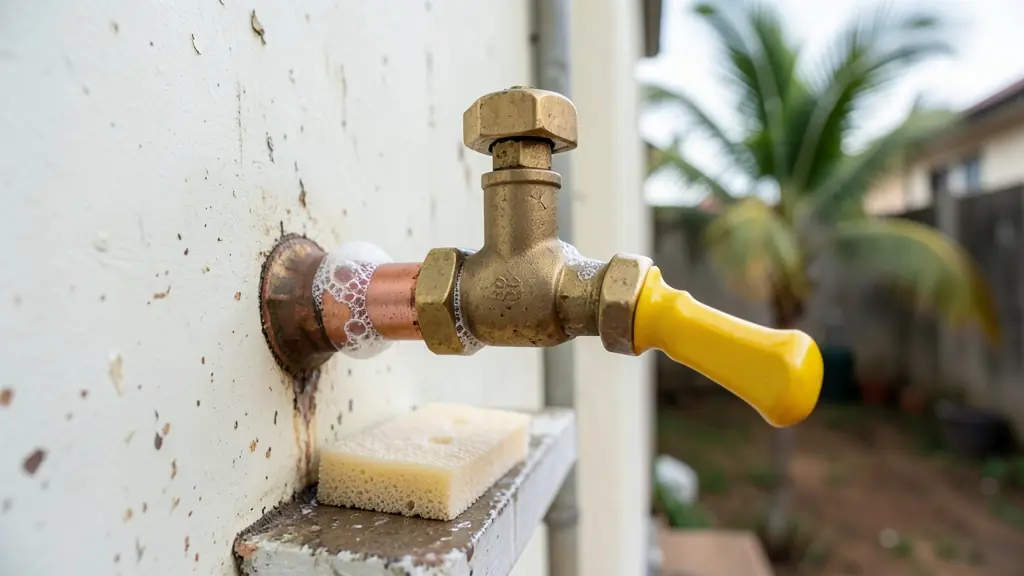
A gas smell is a warning you should never ignore. Gas leak detection starts with your nose, because a smell is added to LPG so leaks can be noticed, and moves on to the soapy water test and, for a proper repair, a registered gas practitioner who traces the leak, fixes the fitting, hose or valve and tests the system again. This page covers what to do first, how to test a joint yourself, gas detectors for kitchens, and what a leak call out involves. Ask once and local gas practitioners will quote you for free, with no obligation.
If you smell gas
- Close the cylinder valve, or the isolating valve if you have a piped system.
- Do not touch light switches, plugs or anything electrical, and do not light a match or a cigarette.
- Open doors and windows. LPG is heavier than air and gathers at floor level, in drains, pits and basements, so let it blow out low down.
- Get people and pets out if the smell is strong.
- Call a registered gas practitioner, and the fire department if the smell does not clear.
The soapy water test
Once the smell has cleared, you can check a portable set-up yourself. Mix dishwashing liquid with water, open the cylinder valve with the appliance off, and brush or sponge the mixture over the valve, the regulator joint, both hose clamps and the appliance inlet. Growing bubbles mean gas is escaping. Close the valve, tighten or replace the part, and test again. Never use a flame to look for a leak. On a piped installation with joints behind walls or under floors, leave the testing to a practitioner.
Gas detectors and alarms
A plug-in LPG detector sounds an alarm when it senses gas. Because LPG sinks, detectors for LPG are usually mounted low, near the floor, close to the stove or heater; follow the maker's instructions for the exact position. Plug-in LPG detectors list at about R700 to R1,500. A detector is a backup, not a substitute for sound regulators and hoses and a certified installation.
What a leak call out covers
A practitioner pressure tests the system, traces the leak, and replaces or reseals the faulty fitting, valve, hose or regulator, then tests again. They also look at appliances that will not light, burn with a yellow or sooty flame, or keep going out, which often points to a blocked burner, a failing thermocouple or the wrong regulator. A published cost guide puts a gas call out at about R500 to R900, or R800 to R1,500 for an emergency such as a suspected leak. Work on a fixed installation may need a new certificate of conformity; see also gas stoves and hobs.
What to include in your request
- Where the smell is and how strong it is
- Portable cylinder or piped installation
- Which appliances are connected
- Any symptoms: yellow flames, no ignition
- Whether you have a certificate of conformity
Gas Leak Detection & Repairs for different clients
- Homeowners: a leak call out for a gas smell near the stove, geyser or heater
- Complexes, estates and body corporates: pressure tests on shared gas lines and leak checks before units are sold
- Restaurants, takeaways and bakeries: fast leak repairs on kitchen ranges and fryers, plus detectors near the line
- Guest houses, lodges and venues: leak checks on chalet geysers and braais between guests and before winter
- Farms and smallholdings: leak tests on brooder lines and burners in poultry houses before a new batch
- Factories, warehouses and workshops: leak tracing on canteen and process gas lines, with detectors at low level
- Campers, caravanners and event hosts: a soapy water check of a caravan or camping set-up before a trip
- Gas installers, plumbers and dealers: practitioners called in by plumbers and agents to trace a reported leak
Frequently asked questions
What should I do if I smell gas at home?
How much does a gas leak call out cost?
Why does my gas hob burn with a yellow flame?
Can you send someone out for a gas leak?
Gas Leak Detection & Repairs by province and city
- Johannesburg
- Pretoria
- Centurion
- Midrand
- Sandton
- Randburg
- Roodepoort
- Krugersdorp
- Randfontein
- Germiston
- Boksburg
- Benoni
- Kempton Park
- Alberton
- Vanderbijlpark
- Vereeniging
- Durban
- Pinetown
- Pietermaritzburg
- Richards Bay
- Newcastle
- Ladysmith
- Gqeberha (Port Elizabeth)
- East London
- Kariega (Uitenhage)
- Mthatha
- Cape Town
- Bellville
- Paarl
- Stellenbosch
- George
- Worcester
- eMalahleni (Witbank)
- Middelburg
- Secunda
- Mbombela (Nelspruit)
- Rustenburg
- Brits
- Klerksdorp
- Potchefstroom
- Mahikeng
- Polokwane
- Tzaneen
- Kimberley
- Upington
- Bloemfontein
- Welkom
- Sasolburg