
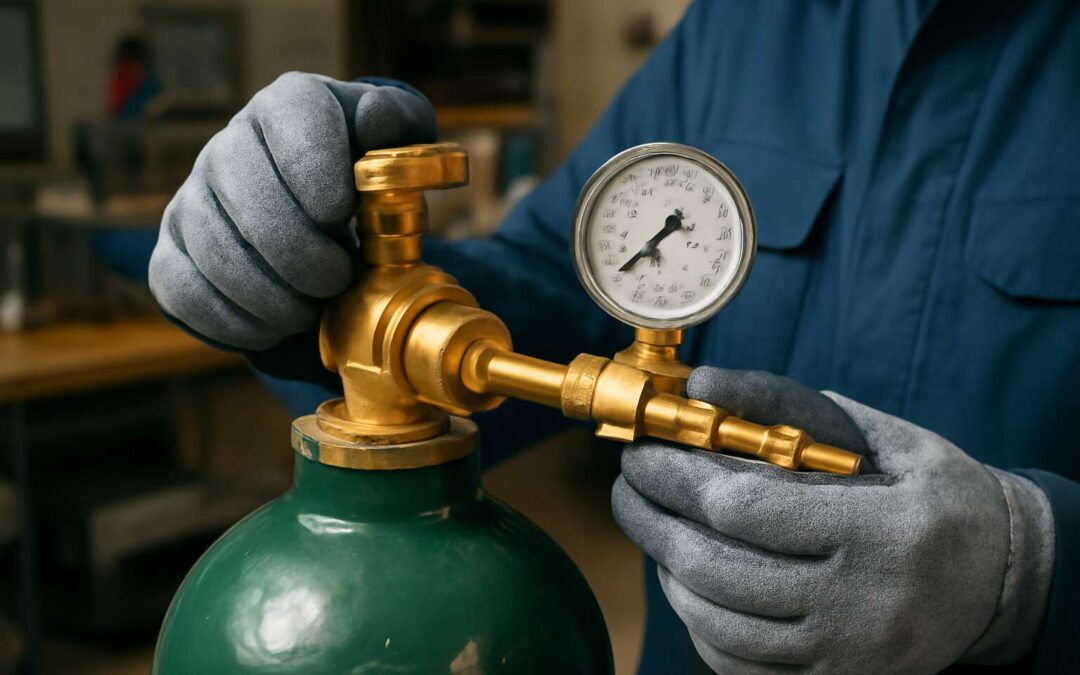
Understanding valve replacement for gas bottles: safety and basics
What is the valve on a gas bottle and how does it function?
On a gas bottle, the valve is the heartbeat of safety. It sits at the crown of the cylinder—a brass gate that controls gas flow and keeps the line quiet when not engaged. A tight seal, sturdy threads, and a release lever work together to avert danger. Grasping its function is the first step in gas bottle valve replacement!
Here’s the truth: the valve is more than a gate—it’s a regulator, a leak detector, and a locking mechanism rolled into one. In South Africa, understanding its role helps you spot wear or failure. Consider these critical elements:
- Valve integrity and thread compatibility
- Seals and O-rings
- Regulator compatibility and leak testing
Tampering with valves invites danger; in SA, trained technicians should handle valve work. A routine inspection, though quiet, speaks volumes about safety. The right hands ensure every cylinder remains a controlled energy source rather than a hidden risk.
Indicators that a valve needs replacement
“A single hiss can speak louder than a thousand warnings,” a SA safety veteran often says. In the quiet corners of kitchens and workshops, valve wear is not dramatic—it’s patient, almost supernatural, waiting to betray you. Understanding gas bottle valve replacement is the first shield against danger, a line drawn between control and catastrophe.
Indications that a valve may be past its prime aren’t always obvious, but they demand respect. Watch for these signs as you listen for the warning breath of a failing seal:
- Visible corrosion or pitting on the valve body
- Cracked seals or damaged O-rings
- Persistent gas leaks around the valve
- Stiff, hard-to-turn operation or valve that won’t fully shut
- Unusual frost or dampness around the connection
In South Africa, tampering invites danger; trained technicians handle valve work, and routine checks keep cylinders from becoming a lurking hazard. The line between safe energy and risk narrows when vigilant eyes watch for wear, guiding decisions about gas bottle valve replacement.
Choosing a compatible replacement valve type
Across kitchens and workshops in South Africa, each hiss is a warning worth listening to. One quiet breath from a valve can preface a larger danger, and that makes every valve choice an act of stewardship. A steady, examined approach to gas bottle valve replacement keeps energy safe and predictable.
Understanding gas bottle valve replacement starts with safety and compatibility. The valve must align with the cylinder connection and regulator interface, and the seal must be designed to resist the local humidity and temperature swings in SA environments. Choose a replacement valve type that matches your cylinder standard, and ensure the thread pattern and inlet/outlet orientation suit your setup. These choices shape performance and safety long-term.
Ultimately, valve work in South Africa is best left to trained technicians; tampering invites danger. A professional assessment confirms the correct valve type and confirms a leak-free seal, safeguarding households and workshops alike.
Regulatory and safety considerations when replacing a valve
A single hiss from a valve can turn a kitchen or workshop into a danger zone in seconds. Understanding gas bottle valve replacement begins with safety and a respect for local standards. In South Africa’s climate, seals face humidity and temperature swings, and the connection to the regulator must be precise to keep energy safe and predictable. This is why gas bottle valve replacement demands caution.
Regulatory and safety considerations when replacing a valve are non-negotiable. They shape who can work on cylinders, what components are approved, and how leaks are verified.
- Work must be performed by trained technicians with proper certification.
- Only components matching cylinder standards and regulator interfaces are used.
- Leak testing and official documentation may be required by authorities or suppliers.
Gas safety rests on discipline and care; tampering invites danger, and a correct assessment protects households and businesses alike.
Safety prerequisites and risk assessment for valve replacement
Personal protective equipment and safe work area setup
Safety prerequisites and risk assessment for gas bottle valve replacement begin long before any tool is touched. A concise appraisal weighs the gas type, bottle condition, and environment, acknowledging that such work is best left to trained professionals. In South Africa, this approach mirrors responsible practice and the protections that guard workers and bystanders alike.
- Safety glasses or a face shield
- Flame-resistant gloves
- Protective coveralls or long-sleeve clothing
- Steel-toe boots or closed, non-slip footwear
Personal protective equipment and a safe work area setup are the first line of defense. We all share a stake in safety; disciplined stewardship protects families and neighbours. The essentials include measures to minimise ignition risk and to maintain a secure, well-ventilated space for gas handling.
Isolating the cylinder and depressurization steps
The safety prerequisites linger like a quiet storm before midnight. In the realm of gas bottle valve replacement, isolating the cylinder and depressurization are not mere steps but solemn pivots—necessary to keep the air from turning sour. A careful assessment weighs ventilation, potential leaks, and the memory of incidents that haunt the workshop. A single lapse can ripple through a neighbourhood.
- Ventilation and atmospheric monitoring
- Containment and risk communication
- Qualified personnel and regulatory compliance
Who to call, how to recognize when a valve would rather remain closed, and how the environment must breathe with you—these questions guide risk assessment. In South Africa, compliance is a shield for workers and bystanders alike; we respect that shield and tread carefully.
Leak detection and gas monitoring techniques
A cautious calm is the first line of defence when dealing with gas bottle valve replacement. “One bad seal can ripple through a neighbourhood,” a South African safety officer notes, and the sentiment sticks. Safety prerequisites and risk assessment hinge on ventilation, atmosphere monitoring, containment, and clear risk communication. Qualified personnel and regulatory compliance are more than formalities; they are the shield that keeps workshops and nearby streets safe!
- Ventilation and atmospheric monitoring
- Containment and risk communication
- Qualified personnel
- Regulatory compliance
Leak detection and gas monitoring techniques rely on a mix of devices and seasoned judgment. Portable gas detectors, fixed room monitors, and routine visual assessments provide early warning, while calibration and maintenance ensure accuracy. In South Africa, adherence to standards and clear reporting channels helps keep incidents contained rather than amplified.
Common hazards and mitigation strategies
“One bad seal can ripple through a neighbourhood,” a South African safety officer notes, and that sentiment still stings. Safety prerequisites and risk assessment are not bureaucratic hurdles but the shield guarding every gas bottle valve replacement operation.
Risk assessment weighs gas properties, cylinder condition, ambient factors, and the human element. In South Africa, the framework around gas bottle valve replacement ensures traceability and compliance.
Common hazards center on leaks, unexpected depressurization, and misidentification of fittings. The following high-level mitigations frame the dialogue without duplicating earlier topics:
- Leak control: proactive monitoring and containment planning to prevent gas migration
- Pressure management: awareness of pressure changes and the use of compatible components
- Human factors: competent oversight and structured supervision to minimize error
Tools, parts, and kits for valve replacement
Valve types, sizing, and seals to match the cylinder
In the quiet workshop glow, tools, parts, and kits for gas bottle valve replacement become trusted allies in the craft of safety. A deliberate toolkit reveals the cylinder’s valve family and anticipates the journey from seal to spindle. The right kit blends rugged, gas-rated tools with durable seals, letting you assess valve types, sizing, and seals at a glance with confidence.
- Gas-rated torque wrench
- Replacement seals and O-rings matched to the cylinder
- Thread sealant approved for gas service
- Valve identification tags and sizing gauge
Valve types, sizing, and seals to match the cylinder demand a careful eye: the right valve body, seat material, and thread form ensure compatibility with the cylinder neck and service gas. Choose seals sized for the seat and material class, and source from trusted suppliers to support SA standards and local service networks.
Essential tools and consumables for the replacement
In a workshop bathed in amber glow, the right toolkit makes gas bottle valve replacement feel like a careful ritual rather than a risky task. A focused kit reveals the cylinder’s lineage and steadies the mind from seal to spindle. The rugged, gas-rated tools and durable seals align with South Africa’s standards and the reach of local service networks.
- Gas-rated torque wrench
- Replacement seals and O-rings matched to the cylinder
- Thread sealant approved for gas service
- Valve identification tags and sizing gauge
With the toolset in place, the journey from component to safe service unfolds with quiet confidence, letting the craft speak through precision and care in every turn.
OEM vs aftermarket parts: considerations and recommendations
“The right kit is the quiet guardian of safety,” a veteran SA technician likes to say. In the realm of gas bottle valve replacement, precision begins with lineage: OEM parts echo a cylinder’s original design, while aftermarket options spark cost relief but demand scrutiny of gas-service ratings and compatibility with seals and threads. The choice sets the tone for reliability and serviceability long after the first turn of the spindle.
When comparing tools and components, consider fit, certification, and warranty as essential barometers. For gas bottle valve replacement, map your procurement to SA standards and your local service network to ensure ongoing support. The decision between OEM and aftermarket parts should balance assurance with practicality, and never bypass the checks that guard against leaks and misalignment.
- OEM parts mirror cylinder lineage and fit, preserving warranty
- Aftermarket parts require verification of gas-service ratings and precise dimensions
Where to source reliable valve components
‘The right kit is the quiet guardian of safety,’ a veteran SA technician likes to say. For gas bottle valve replacement, the tools, parts, and kits you choose set the tone long after the first turn of the spindle. Reliability in the field starts with reputable shops and honest warranties.
Look for tools that carry clear gas-service ratings and precise dimensions. OEM parts mirror cylinder lineage and fit, while trusted aftermarket options require verification of seals and threads to avoid leaks. A well-chosen kit reduces delays and keeps performance steady.
- SA-accredited distributors
- OEM-approved suppliers
- Established gas service networks
Map procurement to SA standards and your local service network to ensure ongoing support. The balance of assurance and practicality guides every purchase, and none of the checks should be bypassed in the name of convenience.
Replacement steps: practical, step-by-step guidance
Shut down the gas source and depressurize safely
Gas safety in bustling South Africa kitchens isn’t glamorous, but it saves lives. A single misstep can turn dinner into danger. When gas bottle valve replacement is on the table, vigilance, patience, and the right partners make all the difference. Safety hums in the space between caution and action for you.
These high-level steps keep the process safe and compliant with local regulations:
- Confirm compatibility and seal condition of the replacement components.
- Maintain a well-ventilated workspace, with appropriate PPE and no ignition sources.
- Coordinate with a licensed gas technician to ensure isolation and depressurization are handled correctly.
- Perform a post-installation leak check using approved methods before re‑pressurizing.
After installation, rely on OEM parts from trusted SA suppliers and schedule follow-up checks to protect your home and crew; safety thrives on professional oversight and regular maintenance.
Remove the old valve and inspect threads and seating
Replacement steps begin with removing the old valve using non-sparking tools, then inspecting the threads and seating for wear, nicks, or corrosion. If the mating surfaces pass visual checks, the replacement valve is prepared for installation, ensuring compatibility with the cylinder and seal type. This gas bottle valve replacement should be approached with care and professional oversight.
- Verify the new valve matches the cylinder type and thread specifications
- Inspect the seating surface for burrs or scratches and clean mating surfaces
- Install the valve with clean, dry hands and apply correct torque as per spec
- Confirm the seal is seated and debris-free before final assembly
After fitting, coordinate with a licensed gas technician to depressurize and perform a leak check before re-pressurizing. This measured approach keeps replacement work aligned with safety standards and OEM recommendations, protecting your home and crew.
Install the new valve with correct torque and seating
Aged wisdom says a wise technician checks twice and torques once. In practice, gas bottle valve replacement starts with confirming the new valve matches your cylinder type and thread specs, then inspecting seating surfaces before any fitment. Precision here keeps leaks at bay and headaches off the horizon.
- Verify the new valve matches cylinder type and thread specifications.
- Inspect the seating surface for burrs or scratches and clean mating surfaces.
- Install the valve with clean, dry hands and apply torque according to the manufacturer’s spec to ensure proper seating.
- Verify the seal is seated and debris-free before final assembly.
After fitting, coordinate with a licensed gas technician to depressurize and perform a leak check before re-pressurizing. This measured approach aligns with safety standards and OEM recommendations, protecting your home and crew in South Africa.
Leak test, verify seals, and finalize documentation
When a valve falters, a single misstep can turn a quiet home into a hazard. gas bottle valve replacement is a craft of patience and precision—the kind of attention that keeps families safe and workers confident. In South Africa, following OEM guidelines and safety standards is everyday responsibility.
Replacement steps unfold in a calm, measured sequence. Leak test, verify seals, and finalize the documentation with care:
- Leak test: confirm system integrity at the prescribed pressure using approved methods.
- Seal verification: ensure seals are clean and seated before re-pressurizing.
- Documentation: record date, part numbers, and technician sign-off.
After the checks, coordinate with a licensed gas technician to depressurize and perform a final leak check before re-pressurizing. This measured approach aligns with safety standards and OEM recommendations, protecting your home and crew in South Africa.
That blend of care and craft turns routine maintenance into responsible stewardship.