
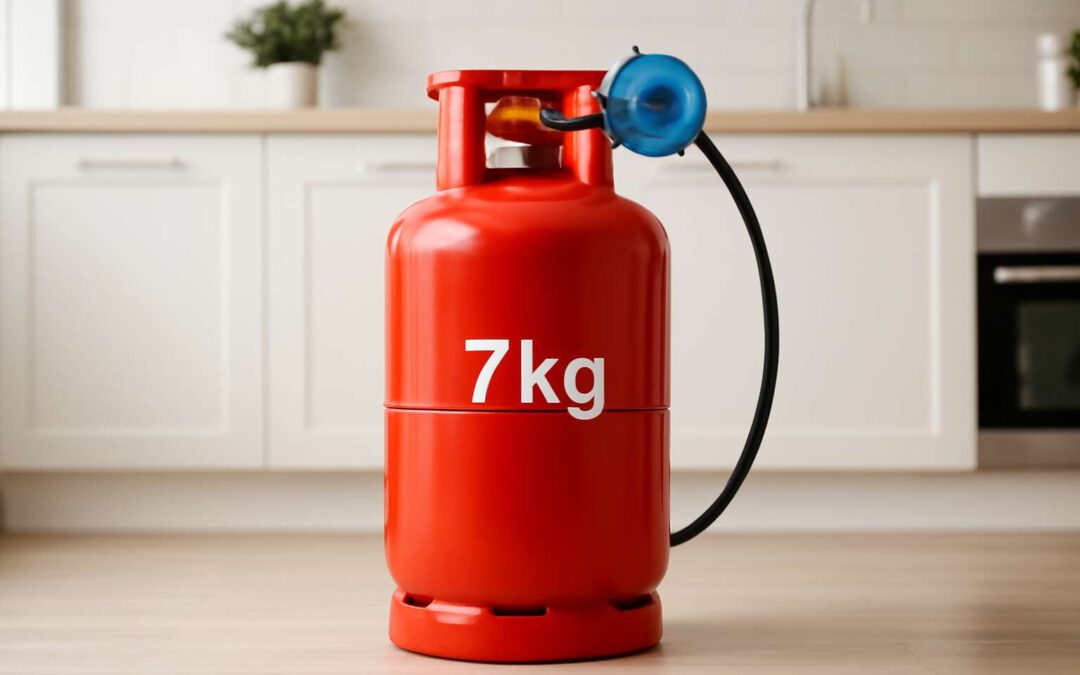
7kg gas bottle guide
Basics and specifications for a 7kg gas bottle
Power cuts are a daily reality in many South African towns, and a gas bottle 7kg keeps the flame alive when the grid fades. It’s a compact, portable option that suits small kitchens, caravans, and emergency backup plans, delivering dependable cooking fuel when you need it most!
Basics and specifications: A 7kg gas bottle is designed for LPG use, typically steel with a robust, safety-first valve system. Here are core specs to look for:
- Nominal content: 7 kg LPG
- Tare weight: approximately 4–5 kg
- Valve: standard safety valve with protective cap
- Standards: SABS/SANS compliance marks
- Storage: store upright, sheltered from heat
In South Africa, certified cylinders carry safety marks and must be stored upright away from heat sources; that blend of regulation and rugged design keeps homes safer and kitchens consistent, even through outages.
Safety and handling essentials
In South Africa’s bustling kitchens, power cuts are a common shadow, yet the gas bottle 7kg stands as a reliable ember. It’s more than fuel—it’s a portable guardian that keeps meals on the boil when darkness falls and grids whisper to sleep.
Safety and handling essentials revolve around respect and regulation: certified cylinders bear compliance marks, storage stays upright and shielded from heat, and connections use approved regulators and hoses. Keep the bottle out of children’s reach, and lean on manufacturer guidance and local LPG rules to preserve a calm, resilient culinary heartbeat.
Buying, pricing, and warranties
Across South Africa, when the lights dip and a simmering pot remains the only beacon, the gas bottle 7kg steadies the kitchen like a stubborn heartbeat. In such moments, reliability isn’t luxury—it’s a quiet, essential promise we lean on.
Buying a 7kg bottle blends practical touchpoints with peace of mind: price bands influenced by region, depot fees, and bottle refurbishment; warranty coverage varies by maker and regulator, yet a sound warranty signals confidence and compliance with LPG standards!
- Warranty scope and duration
- Certification marks and refill compatibility
- Service network and replacement options
Size guides and pricing entries remain variable, yet the right choice aligns with your cooking rhythm and the local LPG rules that govern our market.
Maintenance, disposal, and renewal options
Maintenance is a quiet discipline that keeps the flame faithful—especially when load-shedding looms and the pot simmers.
Regular visual checks for dents, corrosion, and oil traces, plus the valve snugness when turning, prolong the life of a gas bottle 7kg. I’ve found that storing upright and protected from heat preserves consistency in tough weeks of load-shedding.
When renewal or disposal becomes necessary, consider these routes:
- Authorised disposal through a licensed recycler
- Exchange or refurbishment programs offered by suppliers
- Certified safety inspections before refilling
Renewal choices hinge on safety and compatibility: exchange cylinders for a tested unit, or opt for certified refurbishment that preserves LPG standards. A trusted service network guarantees you’re never left without heat and meals.