
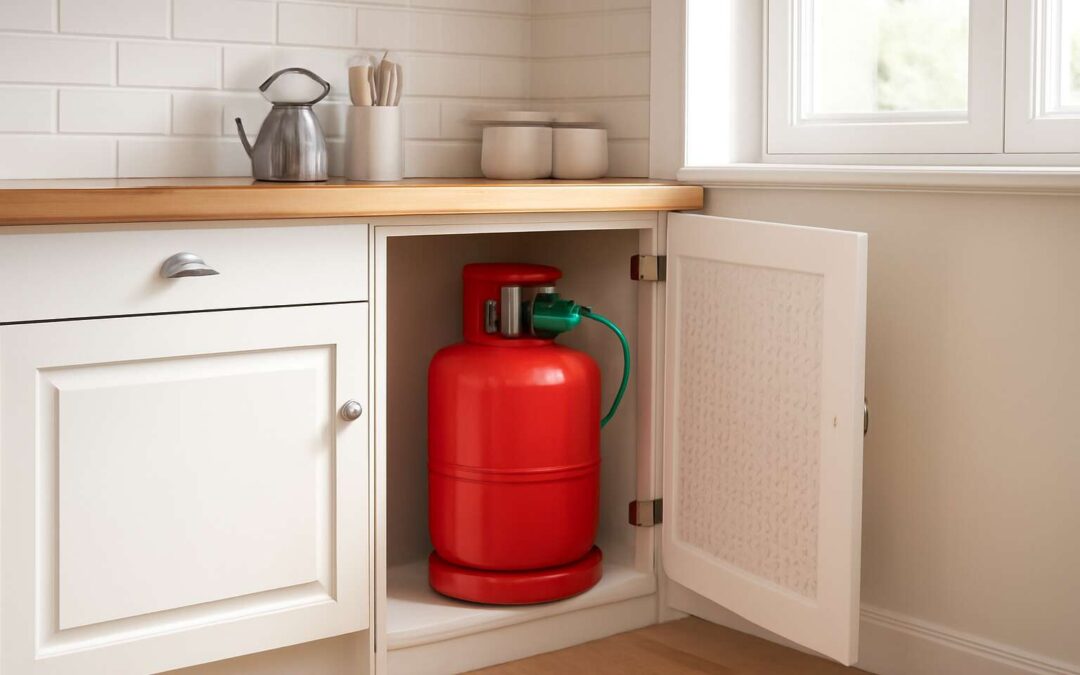
Home gas safety and storage essentials
Understanding gas bottles and domestic usage
In South Africa, a gas bottle in house can power your kitchen and keep the lights on after load shedding—until safety slips. A small leak can derail dinner, so treat the cylinder as a valued guest that demands good manners and good ventilation.
Key safety and storage essentials for domestic usage:
- Keep cylinders upright and secured to a wall or rack.
- Store in a shaded, well-ventilated area away from heat sources and flames.
- Inspect hoses and connections for wear; replace damaged parts and check for leaks with soapy water.
For safe, reliable use in everyday homes, regular checks by a qualified technician and proper storage practices keep your comfort—and your meals—intact.
Choosing the right gas bottle for home appliances
South Africa’s kitchens lean on load shedding, but the real MVP is the gas bottle in house—compact, reliable, and capable of turning a midnight ramen into a small victory. Safety pros remind us: “Treat it with respect, and it will treat you to calm, not chaos.”
Choosing the right gas bottle for home appliances means balancing size, valve, and regulator compatibility with your setup. Look for a sturdy steel cylinder with clear labeling and reputable certification. Here are quick considerations:
- Right size and weight for your kitchen layout
- Valve and regulator matching your appliances
- Certified by a trusted SA standards body
Done well, that choice keeps your home’s rhythm intact—no drama, just steady heat and light when you need it.
Safety labeling, storage regulations, and compliance
A gas bottle in house keeps the lights and heat steady when load shedding slips into the night. “Respect the bottle, and it will respect your home,” a safety mentor reminded me. Clarity in labeling and sensible storage are the quiet sentries guarding families through the normal and the unexpected.
Safety labeling, storage regulations, and compliance are the guardrails that make day-to-day life safer. Look for clear gas type, hazard pictograms, and trusted certification marks; these details are overseen by a reputable SA standards body, ensuring cylinders that stand up to the South African home.
- Visible gas type and hazard symbols
- Certification marks and expiry/inspection dates
- Clear, durable labeling in a readable location
- Regulated storage requirements in well-ventilated areas
In farms, towns, and cities, these norms keep the rhythm of life intact—even when the kettle sings and the sun dips behind the veld.
Cost, accessibility, and maintenance of home gas options
‘Respect the bottle, and it will respect your home,’ a safety mentor whispered as the night pressed against the windows. In South Africa, families balance cost, accessibility, and maintenance for the gas options that lean on the kitchen flame and warming air. A steady approach keeps comfort intact without draining the budget: sensible cylinder purchases, refill schedules, and regulator checks—watchful, patient, prepared for the unexpected.
- Cost considerations: upfront cylinder price, refill cycles, and inspection fees.
- Accessibility: proximity to reputable SA suppliers, safe delivery, and reliable refill options.
- Maintenance: routine leak checks, regulator tests, and proper storage away from heat or sunlight.
When these elements align, the home breathes easy, and the gas bottle in house becomes a quiet guardian rather than a gamble.
Safe installation and usage guidelines for domestic gas
Ventilation and space planning for gas equipment at home
As evenings cool in South Africa, a lean, well-placed gas bottle in house can feel reassuring—until a single unvented space changes the mood in minutes! Safe installation and usage guidelines for domestic gas emphasize the balance between efficiency and air flow, especially where gas equipment lives.
Ventilation is the quiet safeguard. Rooms housing appliances should invite air from outdoors and avoid sealed cupboards that trap fumes. I’ve watched overlooked nooks become testing grounds for balance, so I favour clear, unobstructed spaces where heat dissipates and fresh air circulates without resistance.
Space planning for gas equipment at home means respectful clearances and mindful placement. I picture it as architecture with intention: nearby windows for cross-ventilation, shelves arranged to ease checks, and paths kept open for service visits. The result is steady confidence, not last-minute improvisation. A proper gas bottle in house mindset avoids chaos.
Connecting and testing appliances safely
South Africa’s evenings teach a simple truth: safety dignifies the room, especially around heat and gas. “Ventilation is the unseen MVP of every kitchen,” a safety officer once quipped, and the line sticks like steam on a glass door—quiet, essential, and easy to overlook.
Safe installation and usage hinge on professional handling and manufacturer specs. A proper setup protects a gas bottle in house from heat and fumes. Avoid sealed cupboards, maintain upright storage, and ensure fresh air can mingle with the space without resistance.
- Engage a licensed gas technician for connections
- Schedule regular inspections by accredited professionals
- Avoid heat sources and keep the area accessible
- Use detectors and signage to stay aware of safety
In the South African home, balance between air, appliance, and intent is what keeps evenings calm.
Common installation mistakes to avoid
South Africa’s evenings glow with the quiet courage of home kitchens, where safety begins the moment you place a bottle by the stove. I’ve learned that a gas bottle in house should stand upright, away from radiant heat and out of sealed cupboards, so fresh air can mingle with the space without resistance. Proper installation rests on the hands of a licensed professional and on harmonizing with manufacturer specs. When these threads are tight, the room breathes easier and risk recedes like steam at dawn.
Common installation mistakes to avoid include:
- Storing the bottle in sealed cupboards or unventilated spaces near heat
- Forgetting to keep the bottle upright or securing it against tipping
- Using damaged hoses or improvised fittings
- Attempting connections without a licensed gas technician
- Placing the gas area near heat sources or blocked exits
Emergency procedures and leak detection tips
In the hush of a South African kitchen, a sly danger lingers in the glow. Safe installation means the gas bottle in house stands upright on a sturdy, noncombustible surface, with clear air around and away from heat. Follow manufacturer specifications and the guidance of a licensed professional; let the space breathe and fear fade like morning fog.
Emergency procedures and leak detection tips keep the home safe when shadows loom.
- Prioritize ventilation and avoid ignition in any suspected gas situation.
- Rely on licensed professionals for assessment and repairs rather than DIY fixes.
- Have detectors and regular inspections to maintain awareness of leaks.
- Maintain clear, accessible emergency contacts and reporting protocols with your supplier.
Keep detectors handy and respect every hiss as a whisper from the living room door.
Safety best practices for handling and storing gas cylinders
Storage requirements: temperature, stacking, and security
Safe storage is quiet safety—an expert once said, and it rings true in every South African home with a gas bottle in house. Temperature, placement, and access shape risk, especially in our climate. Treat cylinders as part of the home environment, not an afterthought.
- Temperature: Keep gas cylinders in a shaded, well-ventilated area away from direct sun and heat sources.
- Stacking: Store cylinders upright and secured to prevent tipping; avoid placing heavy objects on valves.
- Security: Limit access to the storage area with clear signage and a lockable space to deter tampering.
Beyond this, regular inspection of seals and venting pathways is part of a safety mindset that supports household resilience and compliance with basic domestic gas standards.
Handling, transport, and securing cylinders
“A small misstep with a gas bottle in house can turn a peaceful evening into a smoky misadventure!” says a SA safety veteran. Handling, transport, and securing cylinders demand respect—treat them as part of the home, not as afterthoughts. The more you humanize the cylinder, the less it disrupts daily life.
In practice, keep movement gentle, avoid jolts, and ensure attachments are secure so a cylinder stays put whether you’re lugging it from shop to kitchen or simply rearranging the lounge layout. It’s about calm containment, not heroic improvisation.
Fostering a culture of quiet vigilance—clear signage, controlled access, and routine checks—helps resilience and keeps basic domestic gas standards intact. A home with measured respect for gas equipment is steadier, safer, and a touch more swagger in the kitchen!
Label interpretation and expiry considerations
Label interpretation is a quiet pact between you and the cylinder. In South Africa, a clear label can avert disaster before it starts. A safety veteran once whispered, ‘Read the label as you would read weather—it’s guidance, not decoration.’ Gas cylinders speak in pictograms and codes, carrying not just gas but intent: hazard symbols, contents, and the provenance of each bottle!
Expiry considerations remind us that signs fade; the true measure is the cylinder’s history and regulator compatibility. For the gas bottle in house, treat dates, inspection stamps, and service intervals as part of the home’s rhythm.
- Hazard pictograms and color coding
- Gas type, supplier, and cylinder ID
- Last inspection date and expiry note
When labels are read with care, the home keeps its breath calm and the night stays peaceful.
When to replace or discard cylinders safely
Gas bottle in house demands respect. A routine kitchen interaction can turn risky in a heartbeat if a cylinder is treated as decoration. Safety veterans remind us: safety is a habit, not a label. The cylinder speaks in pictograms and codes, signaling hazards and provenance long before you smell trouble.
Handle with quiet care and keep information readable—check the hazard pictograms, contents, and expiry stamps every time. Keep the area ventilated and free from heat sources, and ensure any attached regulator or hose remains compatible and undisturbed.
- Expired inspection date or service interval
- Visible damage, corrosion, bent valves, or signs of leakage
- Persistent smells or leaks near connections despite proper setup
When replacement or discard is due, rely on the supplier and comply with local regulations; do not reuse damaged cylinders; arrange safe disposal through approved channels.
Household hazard mitigation and smoke alarm integration
Across South Africa, more than 40% of domestic gas incidents begin with a misread label or a forgotten expiry date; safety is a habit forged in the quiet hours of routine. A gas bottle in house becomes a guardian—or a ghost—depending on how it’s treated.
Respect the pictograms, the codes, and the steady heartbeat of a smoke alarm that guards the home night and day. Household hazard mitigation grows from mindful storage and calm, coordinated guardrails between cylinder, regulator, and room, so danger remains a distant shadow rather than a familiar whisper.
- Smoke alarms linked to gas monitoring share the same vigil
- Clear labeling and regular checks keep the home resilient
Cost, availability, and environmental considerations
Pricing trends for domestic gas solutions
Gas prices in South Africa ride a volatile drumbeat, with double-digit swings year on year even as demand steady. That volatility hits household budgets and monthly kitchen routines alike.
Cost, availability, and environmental considerations shape the domestic gas landscape. For households, cylinder ownership, refill frequency, and delivery reach determine the bill.
- Cylinder ownership vs rental implications
- Refill pricing and refill frequency
- Delivery scheduling and regional availability
- VAT and levies affecting price
Environmentally, LPG burns cleaner than coal or wood, but there are still footprints from production, transport, and disposal. Recycling programs and efficient appliances help keep that footprint modest.
Pricing trends for domestic gas solutions show growing supplier competition and more flexible options, with steadier regional pricing where networks are robust. If you have a gas bottle in house, you feel the cost of keeping it full.
Supplier comparison: local retailers and cylinder exchanges
South Africa’s kitchens hum with the quiet power of a gas bottle in house, a fixture that keeps the kettle singing even as loadshedding flickers. Pricing here is a living thing—volatile at times, yet tempered by supplier competition and regional networks! Availability hinges on local stock, refill cycles, and delivery reach, while the environmental footprint travels from production to disposal, inviting recycling and efficient appliances as prudent companions.
- Local retailers offer quick access and often flexible payment options, but check stock and refill turnaround.
- Cylinder exchanges bring a deposit system and standardized refills, which can simplify budgeting.
- Regional delivery reach and service hours determine how smoothly a gas bottle in house stays full across urban and rural areas.
Balancing cost and care means choosing partners who publish transparent pricing and maintain safe handling practices. Recycling programs and smarter, energy-efficient appliances soften the footprint while keeping the flame ready for everyday cooking and warmth.
Recycling, disposal, and environmental impact
In South Africa, a gas bottle in house keeps the kettle singing even as loadshedding flickers. Costs drift with supply and demand, but transparent pricing and local stock help you stay in control. Availability hinges on refill cycles, delivery reach, and nearby depots, so knowing your supplier network matters. A clear picture of cycles turns occasional outages into predictable routines.
Environmental considerations can’t be an afterthought. Recycling, disposal, and environmental impact travel from production to pantry, guiding choices about cylinders and energy use. When a cylinder reaches end of life, choosing accredited recycling and mindful disposal keeps the footprint small and the flame ready for daily life. This approach keeps the gas bottle in house footprint manageable.
- Accredited recycling channels
- Disposal regulations and compliance
- Refill logistics considerations
Energy efficiency and alternative fuel options
In South Africa, the kitchen timer ticks with a stubborn rhythm during load shedding. The gas bottle in house sits in the pantry, quietly primed for the kettle to boil when the grid throws a curveball. Price skitters with supply, but reliability is the real currency in the home.
Energy efficiency matters as much as price. Consider these options:
- Energy-efficient appliances and smart timers
- Solar-ready water heating and induction cooking
- Hybrid systems that blend gas with low-power alternatives
Choosing the right mix lowers emissions and keeps daily routines intact. By embracing energy efficiency and exploring alternative fuels, households soften the blow of outages while respecting the environment—a practical, humane approach within the home.