
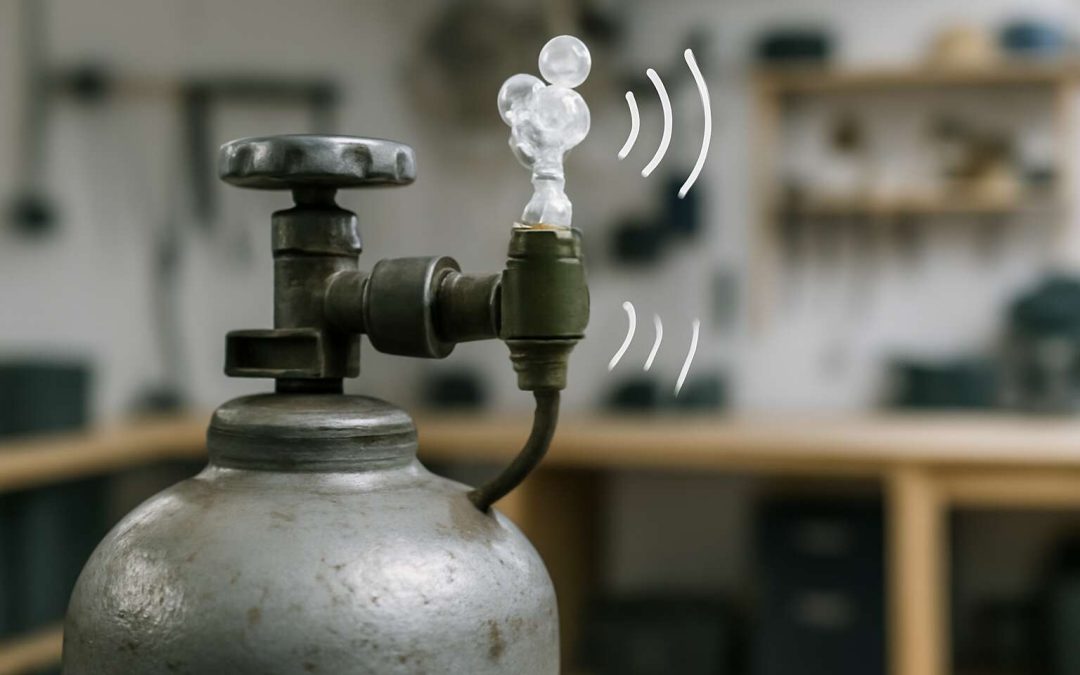
Understanding Gas Bottle Noises
Common types of noises from gas bottles – Hissing, banging, whistling, popping sounds
Gas bottle making noise can be more than just an annoyance; it’s often a sign of underlying issues that need attention. Many homeowners in South Africa have reported hearing strange sounds from their gas bottles, which can range from subtle hissing to loud banging. Understanding these noises is crucial for safety and appliance performance.
Common types of noises from gas bottles include a persistent hissing, which might indicate a slow leak. Banging sounds can suggest pressure buildup or faulty valves. Whistling often points to restricted airflow, while popping sounds could be the result of rapid gas expansion or temperature fluctuations inside the cylinder. Recognizing these signals early can prevent dangerous situations and ensure your gas system operates smoothly.
- Hissing – possible gas leak or valve issue
- Banging – pressure irregularities or valve problems
- Whistling – airflow restriction or damaged regulator
- Popping – rapid gas expansion or temperature changes
Normal vs. abnormal sounds – When to be concerned about unusual noises
In the world of home safety, understanding gas bottle making noise is more than just hearing strange sounds—it’s about deciphering what those sounds reveal. Normal noises, like a gentle hiss when valve pressure equalizes, are expected and usually harmless. However, when noises suddenly turn abnormal, it’s a warning sign that warrants immediate attention. Unusual sounds such as loud banging or persistent whistling can indicate underlying issues, like pressure irregularities or airflow restrictions, that need prompt investigation.
Recognizing the difference between normal and abnormal noises can be lifesaving. For example, a popping sound might seem minor at first, but it could point to rapid gas expansion caused by temperature fluctuations within the cylinder. Conversely, a constant hissing may suggest a slow leak—an issue that should never be ignored. Staying alert to these subtle cues helps prevent potential hazards and ensures your gas system continues to operate safely and efficiently.
Causes of noises in gas bottles – Pressure release, valve operation, leakage, temperature changes
Gas bottle making noise isn’t just an annoyance—it’s a symphony that could be warning you of impending trouble. The causes behind these noises range from simple to sinister, often revealing the inner workings or misadventures happening within your cylinder. One common culprit is pressure release, which occurs when the gas inside the bottle tries to escape in a dramatic fashion, often accompanied by a faint hiss or a sudden bang. This is usually a sign that the pressure has exceeded safe limits or temperature swings have caused expansion.
Valve operation also plays a starring role in the orchestra of gas bottle making noise. When valves open or close, expect a brief whistle or click, but persistent sounds could indicate malfunction or corrosion. Leakage is another notorious villain, lurking behind a persistent hissing or bubbling sound—never a good sign! Sometimes, temperature changes cause the gas to expand or contract, resulting in noises that might seem odd but are perfectly normal under certain conditions. However, if those sounds escalate or persist, it’s time to investigate further.
Reasons Behind Gas Bottle Making Unusual Noises
Gas expansion and contraction – Impact of temperature fluctuations
Ever heard a gas bottle making noise and wondered if it’s auditioning for a horror movie? Well, those unsettling sounds often stem from the natural dance of gases responding to temperature changes. Gas expansion and contraction are the prime culprits behind a gas bottle making noise, especially in South Africa’s temperamental climate. When the temperature rises, the gas inside the bottle heats up, causing it to expand—think of it as a tiny balloon stretching to accommodate its new, more energetic self. Conversely, when temperatures drop, the gas contracts, sometimes creating a telltale pop or hissing sound that makes you jump.
This fluctuation isn’t just an acoustic curiosity; it’s a physical response that can cause the gas to shift or press against the bottle walls, occasionally resulting in a gas bottle making noise. This process is particularly noticeable during hot summer days or chilly winter mornings. If the gas expansion becomes too intense, it might even activate the safety valve, releasing pressure and producing a distinctive release sound. So, while it might sound alarming, it’s often just nature’s way of balancing out gas behavior—albeit with a bit of noise and drama!
Valve issues and malfunction – Faulty pressure relief valves
Ever been startled by a sudden hissing or banging from your gas bottle and wondered if it’s auditioning for a horror flick? More often than not, these unsettling sounds are caused by valve issues and malfunctions, especially faulty pressure relief valves. These safety components are designed to release excess pressure, but when they malfunction or become clogged, they can cause the gas bottle making noise to escalate from a minor whisper to a full-blown alarm.
Faulty pressure relief valves are the usual suspects behind persistent or unusual noises. If a valve doesn’t close properly or gets stuck open, it can lead to constant hissing or popping sounds, which are signs that your gas bottle might be trying to tell you something’s amiss. In some cases, a malfunctioning valve can even cause gas to leak slowly, creating a dangerous situation that’s often accompanied by subtle but persistent noises. Ensuring these valves are in prime condition is essential for safety and peace of mind.
Gas leakage concerns – Identifying hissing or whistling sounds
Gas bottles are silent giants—until they suddenly aren’t. Many South African households have experienced that unsettling moment when a gas bottle begins making noise without warning. These sounds can range from a faint hiss to a loud bang, stirring anxiety about safety. The reality is, these noises often signal underlying issues that require immediate attention. A gas bottle making noise isn’t just an annoyance; it can be a warning sign of more serious problems lurking beneath the surface.
One common reason behind this phenomenon is gas leakage, which frequently manifests as a persistent hissing or whistling sound. These noises occur when there is a breach in the seal or a malfunctioning valve, allowing gas to escape slowly. Detecting such subtle sounds early on can prevent potentially hazardous situations. Sometimes, temperature fluctuations cause expansion and contraction of the gas inside the bottle, leading to creaking or popping noises. These are usually normal but can sometimes mimic more serious issues if not properly monitored.
- Faulty pressure relief valves
- Leakage from damaged fittings or seals
- Temperature-induced expansion
Understanding the reasons behind a gas bottle making noise is crucial for maintaining safety. Whether it’s a faint whistle or a sudden bang, recognizing the signs can save lives and prevent costly damages. Always remember, when in doubt, consulting a professional is the best course of action to ensure your gas system remains safe and sound amid South Africa’s unique climate challenges.
Corrosion or damage – Effects of rust or physical damage on noise levels
Corrosion and physical damage are sneaky culprits behind a gas bottle making noise—think of rust as the villain in a slow-burning thriller. Over time, exposure to South Africa’s diverse climate conditions can accelerate oxidation, transforming the once shiny surface into a flaky, rusty mess. This corrosion weakens the metal, creating uneven surfaces and tiny leaks that can generate unsettling sounds like creaking or faint hissing. Such noises are not just auditory annoyances; they’re warning signals that your gas bottle’s integrity has been compromised.
Physical damage—whether from accidental impacts, mishandling, or corrosion-induced weakening—can also cause your gas bottle to emit unusual noises. Dents or cracks disrupt the internal pressure balance, often leading to a distinctive banging or popping sound when the gas inside shifts or escapes. These physical imperfections can make the bottle vibrate or rattle, heightening safety concerns. Regular inspection for signs of corrosion or damage is essential, especially in environments where harsh weather can accelerate deterioration.
In some cases, a gas bottle making noise is a direct consequence of compromised seals or fittings, which become more vulnerable as corrosion progresses. Just like a rusty zipper, if the seals aren’t sealing properly, gas can escape and produce that telltale whistle or hissing. If ignored, this seemingly minor issue can escalate into dangerous leaks, highlighting the importance of monitoring your gas bottle’s condition diligently. After all, a rusty, damaged gas bottle is no joke—it’s a ticking safety time bomb waiting to go off!
How to Safely Handle a Noisy Gas Bottle
Immediate safety steps – Turn off valve, ventilate the area
When a gas bottle starts making noise that’s more dramatic than your favorite soap opera, it’s time to pay attention—because, truth be told, a noisy gas bottle isn’t just an annoyance; it’s a potential safety red flag. In South Africa, where outdoor braais and domestic gas use often go hand-in-hand, understanding how to handle a noisy gas bottle can make all the difference between a cozy evening and a disaster waiting to happen.
The immediate safety steps are straightforward but crucial. First, turn off the valve to prevent any further escape of gas—think of it as hitting the pause button on the drama. Then, ventilate the area by opening windows and doors; this helps disperse any accumulated gas and reduces the risk of explosion. Remember, never attempt to fix or investigate the source of the noise without proper training or equipment—leave that to the professionals. If the noise persists or you suspect a leak, evacuate the area and call emergency services to handle the situation safely.
Handling a gas bottle making noise involves swift action and a calm head. Always prioritize safety—because in the world of gas, a little noise can mean a lot more than just a headache!
When to seek professional help – Signs of leaks or damage
When a gas bottle begins making noise—whether it’s a faint hissing or a sudden bang—your instincts should kick in immediately. Noise from a gas bottle isn’t just an irritant; it can be a sign of a serious safety concern. Recognizing the signs that indicate it’s time to seek professional help is crucial, especially in South Africa, where gas is a staple for outdoor braais and domestic cooking. Persistent or unusual sounds could point to leaks, corrosion, or faulty valves that require expert intervention.
If you notice your gas bottle making noise more than usual, it’s best to act swiftly.
- First, turn off the valve to halt any potential gas escape.
- Next, ventilate the area thoroughly by opening windows and doors—dispersing any accumulated gas is key to preventing a dangerous build-up.
Never attempt to repair or tamper with the valve or suspect damage yourself. When in doubt, it’s safer to evacuate the area and contact qualified professionals who can assess the situation thoroughly. Signs like persistent hissing, bubbling near the valve, or visible rust are clear indicators that expert help is necessary. Remember, handling a gas bottle making noise with care can mean the difference between a safe, cozy evening and a potential disaster.
Preventative maintenance tips – Regular inspections and proper storage
In the shadowy dance of safety and peril, the gas bottle making noise is a siren that demands your attention. A whisper of danger, these sounds—whether a faint hiss or a thunderous bang—are not mere nuisances but echoes of underlying peril. In South Africa, where gas is woven into daily life—from fiery braais to humble domestic kitchens—recognizing these auditory signals is vital.
Preventative maintenance acts as a shield against catastrophe. Regular inspections, especially around valves and connections, can unveil the silent threat of corrosion or deterioration. Proper storage in cool, ventilated areas minimizes temperature fluctuations that cause gas expansion and contraction, reducing the chances of abnormal noises.
A vigilant eye for signs like rust, bubbles near joints, or persistent hissing can preempt disaster. Never ignore a gas bottle making noise—treat it with the reverence of an ominous omen. Instead, embrace a routine of safety, ensuring that these spectral sounds remain just that—sounds, not screams.
Troubleshooting Common Gas Bottle Noise Issues
Inspecting for leaks – Soap solution method, visual checks
Nothing ruins the cozy vibe of a braai like a gas bottle making noise—suddenly, instead of sizzling steaks, you’re faced with a symphony of hisses and bangs. Before panic sets in, it’s worth knowing that some sounds are normal, but others indicate trouble brewing. A quick inspection can often reveal the culprit behind that unsettling noise, especially if it’s a case of gas bottle making noise due to leaks or valve issues.
One of the simplest yet most effective methods to inspect for leaks is the soap solution test. Mix a bit of dish soap with water and apply it to the valve and connection points. If bubbles form, it’s a sign of escaping gas—definitely time to call in a professional. Visual checks for corrosion or physical damage also help identify potential causes of abnormal noises. Remember, a rusted or dented gas bottle might be trying to tell you it’s past its prime and needs replacing.
While some gas bottle making noise can be harmless, persistent whistling or hissing should never be ignored. It’s a warning sign that your gas system could be compromised. Regular inspections and proper storage are your best defenses against unexpected gas leaks or dangerous malfunctions. When in doubt, always turn off the valve and ventilate the area—safety first, always!
Checking valves and regulators – Ensuring proper function
Ensuring your gas bottle isn’t making noise unnecessarily is crucial for both safety and efficient operation. Sometimes, a simple check of the valves and regulators can reveal the root of the problem. Faulty valves or regulators can produce peculiar sounds—hissing or even a faint banging—that hint at underlying issues. When a gas bottle starts making noise, it’s often due to pressure fluctuations or malfunctioning components that need attention.
To troubleshoot common gas bottle noise issues, start by inspecting the valves and regulators thoroughly. Look for signs of wear or damage, such as cracks or corrosion, which can cause irregular sounds. If you notice a persistent whistling or hissing, it might be a sign that the pressure relief valve is not functioning properly. In such cases, an ordered approach can help:
- Turn off the gas supply immediately.
- Check the regulator for leaks or blockages.
- Ensure all connections are tight but not overtightened, which can cause damage.
Sometimes, the noise is caused by temperature fluctuations leading to gas expansion and contraction, especially during hot days or rapid cooling. Regular inspection of valves and regulators not only prevents gas bottle making noise but also extends the lifespan of your equipment. When in doubt, consulting a professional is always the safest route—especially if sounds persist despite basic troubleshooting efforts. Remember, a little vigilance can go a long way in maintaining a safe and functional gas system.
Listening for abnormal sounds – Locating the source of noise
Few things are as unsettling as the unexpected symphony of a gas bottle making noise. It’s enough to make anyone pause and wonder if safety is at risk. Listening carefully to these sounds can unveil vital clues about what’s happening beneath the surface. Often, the source of the noise isn’t immediately obvious, but with a keen ear, you can begin to unravel the mystery.
Start by focusing on the origin of the sound. Is it a persistent hissing, a sharp bang, or a high-pitched whistle? These clues point to specific issues. For example, a continuous hissing might indicate a leak or a malfunctioning pressure relief valve, while banging sounds could suggest temperature-related expansion or contraction of the gas. Recognizing these signals early can prevent more serious hazards.
In some cases, the noise may seem to come from the valve or regulator itself. This is often a sign that the components are not functioning properly—sometimes due to corrosion, damage, or improper fitting. To locate the precise source of the gas bottle making noise, gently listen around the valve area, ensuring the environment is safe. Using simple tools like a soapy water solution can help identify leaks through bubbling, providing a visual confirmation of issues that might otherwise go unnoticed.
Understanding these subtle auditory cues transforms how we approach gas safety. When a gas bottle makes noise, it’s a reminder that vigilance and attentive listening are your best allies in maintaining a safe, efficient system. Because in the world of pressurized gases, silence is often golden—any deviation warrants careful examination and, when necessary, expert intervention.
Choosing the Right Gas Bottle for Safety and Efficiency
Quality and certification – Standards to look for
When it comes to gas bottles making noise, safety becomes more than just a buzzword — it’s a matter of life or death. Choosing the right gas bottle isn’t just about avoiding a blow-up; it’s about ensuring efficiency and peace of mind. In South Africa, where gas safety regulations are tightening, knowing what to look for in terms of quality and certification is crucial. A certified gas bottle not only meets international standards but also guarantees that the bottle has undergone rigorous testing to prevent those unsettling gas bottle making noise episodes that can turn your day into a disaster.
Look for bottles that adhere to standards such as SANS 1237 or SANS 1517, which are South African safety benchmarks. These certifications ensure that the gas bottle has been manufactured with high-grade materials and adheres to strict safety protocols. An unverified or poorly manufactured gas bottle may develop leaks or pressure issues, which often lead to strange noises like hissing or banging. Remember, a quality gas bottle with proper certification is your best defense against unexpected gas bottle making noise, ensuring safety and optimal performance every time.
Proper installation and storage – Best practices to prevent issues
In the realm of gas safety, the smallest anomaly can signal a major hazard. Gas bottle making noise isn’t just an irritating sound — it’s often a warning sign of underlying issues that could jeopardize safety. Proper installation and storage are essential to keep these unsettling noises at bay, especially in South Africa where fluctuating temperatures and variable maintenance standards can exacerbate problems. Ensuring your gas bottles are stored in a cool, dry, well-ventilated area prevents unnecessary expansion or contraction, which can lead to strange sounds like hissing or banging.
When installing a gas bottle, always double-check that the regulator and valves are correctly fitted and in good working condition. Regular inspections using simple methods, such as applying soap solution to detect leaks or visually checking for corrosion, are vital. Additionally, keeping gas bottles upright and secured prevents movement that can cause valve malfunctions or pressure irregularities, both common culprits behind gas bottle making noise. Remember, a well-maintained, properly stored gas bottle not only quiets those unnerving sounds but also maximizes safety and performance over time.
Regular maintenance routines – Scheduled checks and servicing
Choosing the right gas bottle is not just about capacity or brand; it’s a critical step to ensuring safety and efficiency. An ill-suited or substandard gas bottle can be a ticking time bomb, often manifesting through unsettling sounds like gas bottle making noise. These noises may seem trivial, but they often signal underlying issues that could compromise safety. Selecting a gas bottle that meets strict safety standards in South Africa can dramatically reduce these risks. Look for bottles with proper certification marks to guarantee durability and compliance.
Regular maintenance routines are the backbone of a safe gas system. Scheduled checks and servicing—such as verifying valve integrity and inspecting for corrosion—can prevent many common causes of gas bottle making noise. Maintaining a routine of visual inspections and leak tests with soap solution helps catch problems early, avoiding sudden, loud banging or hissing sounds that indicate potential leaks or malfunctioning valves.
In environments where temperature fluctuations are frequent, especially in South Africa’s diverse climate, consistent upkeep becomes even more vital. Gas expansion and contraction caused by heat can lead to pressure irregularities, prompting the gas bottle to emit noises that could be mistaken for normal operation. By adhering to a disciplined maintenance schedule, you can detect and rectify these issues before they escalate into dangerous situations, ensuring your system remains silent and secure.
FAQs About Gas Bottle Noises
Are all noises dangerous? – Understanding when noise indicates a problem
Gas bottle making noise can evoke a mixture of concern and curiosity. While some sounds are perfectly normal, others might signal underlying issues that demand attention. Not all noises are dangerous, but understanding which ones warrant immediate action is essential for safety. Often, a gas bottle making noise such as a gentle hiss or a faint pop is simply the result of pressure changes or temperature fluctuations. However, persistent banging or high-pitched whistling might indicate more serious problems like valve malfunction or gas leakage.
It’s crucial to differentiate between harmless sounds and those that pose risks. Listen carefully—if you notice a gas bottle making noise accompanied by a smell of gas or a hissing sound, it’s time to act. Immediate safety steps include turning off the valve and ventilating the area. Recognizing the causes behind these noises, such as corrosion, faulty pressure relief valves, or improper storage, helps prevent potential hazards. Regular inspections, combined with an understanding of how temperature impacts gas expansion and contraction, can keep your gas system safe and sound.
Can I fix noise issues myself? – DIY safety tips and when to call professionals
Gas bottle making noise can be unsettling. Many people wonder if they can fix these issues themselves or if it’s time to call a professional. The truth is, some noises are harmless, while others signal potential danger. Knowing when to intervene is vital for safety.
For minor sounds like a gentle hiss due to temperature changes or pressure adjustments, you might be comfortable monitoring the situation. However, persistent banging or a high-pitched whistling often indicates a malfunction—such as faulty valves or gas leaks—that requires expert attention. Attempting to fix complex issues without proper knowledge can be risky.
If you notice a gas bottle making noise accompanied by a smell of gas or hissing, don’t ignore it. Turn off the valve immediately and ventilate the area. Regular inspections, checking valves and regulators, and ensuring proper storage can prevent many problems. Remember, when in doubt, calling a qualified technician to handle gas bottle issues is always the safest choice.
How often should I inspect my gas bottle? – Recommended maintenance intervals
Gas bottle making noise can turn a routine task into a cause for concern faster than you can say “leak.” But how often should you inspect your gas bottle to keep things safe and sound? The quick answer is: regularly. Experts recommend inspecting your gas bottle at least once every three months, especially if you use it frequently or notice any unusual sounds. Regular inspections not only help catch problems early but also ensure your safety isn’t compromised by hidden issues.
During these inspections, listen carefully for any gas bottle making noise that seems out of the ordinary. A simple visual check can reveal corrosion, dents, or leaks, while a soap solution test can help identify hissing or bubbling indicative of a leak. When it comes to proper maintenance routines, don’t forget to check valves and regulators—these are often the culprits behind strange noises that may signal malfunction or impending failure.
- Inspect for signs of rust or physical damage
- Ensure valves and regulators are functioning smoothly
- Listen for abnormal sounds, such as hissing or banging
- Perform leak detection tests with soap solution or visual checks
Remember, a gas bottle making noise isn’t always a red flag, but it definitely warrants a thorough investigation. Keep your safety top priority and don’t hesitate to call a professional if anything seems amiss. After all, when it comes to gas safety, prevention is better than a fiery disaster!