
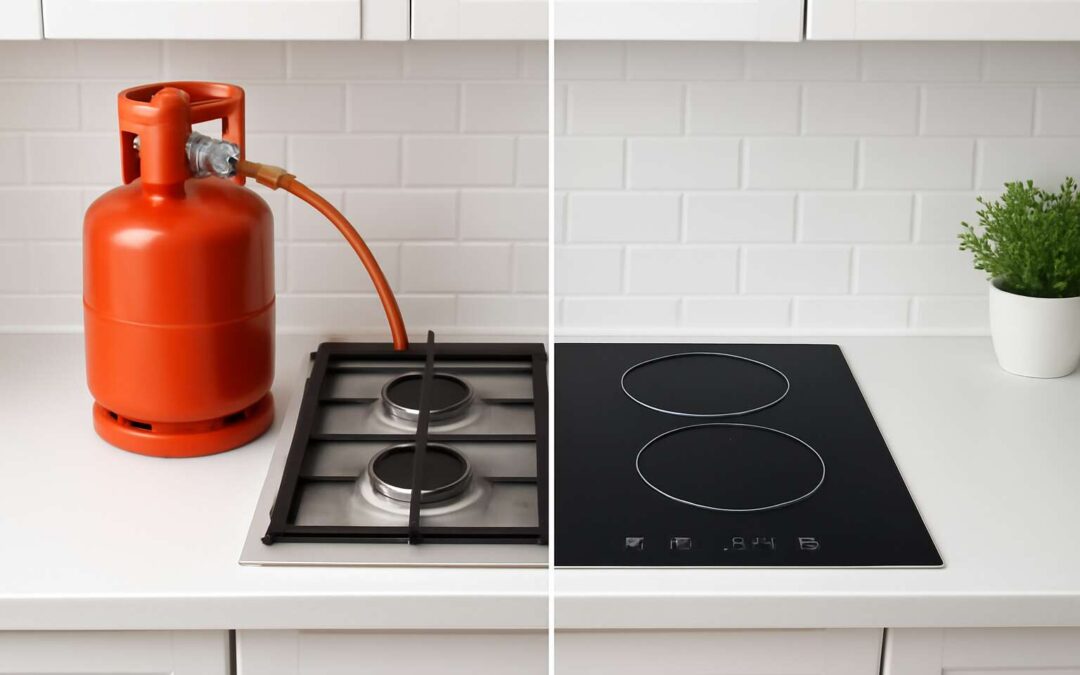
bottle gas vs electric: a comprehensive comparison
Fuel source comparison
In kitchens across South Africa, the tug between bottle gas vs electric feels like choosing between dawn-fire and quiet moonlight. A recent survey shows 58% of households lean on bottle gas during outages, a stubborn safeguard when load shedding returns. I watch pots kiss the flame and scent rise like a spell, while the electric hob offers a steady hum and predictable simmer.
- Availability and storage: gas cylinders require safe handling and refills
- Cost and variability: electricity tariffs shift with demand, gas follows supply
- Safety and maintenance: regulators, leaks, and ventilation demand vigilance
In this SA landscape, the tally of pros and quirks reads like a legend—fast heating, outage resilience, and space considerations all playing their part. The choice remains a personal equilibrium, a choreography of practicality and ritual in a kitchen that tells a story.
Cooking and heating performance
Heat is a story of resilience, and in SA kitchens the two performers—bottle gas vs electric—sing different tunes. Gas can erupt with rapid heat for a fast boil or a sear, while electric hobs offer a steady hum and precise simmer that lends predictability to sauces and stews.
Consider these practical nuances in daily cooking:
- Speed to reach a boil
- Control over simmer and delicate sauces
- Performance during outages or load shedding
Ultimately, the choice between bottle gas vs electric becomes less about wattage and flames and more about the life you’re cooking into each meal.
Cost and budget considerations
Budgeting in SA kitchens has a punchy truth: energy costs swing like a gavel. When weighing bottle gas vs electric, the sticker price is only the overture; the longer tail — refills, tariffs, and outages — writes the rest of the score. As one veteran chef quips, “The most fragrant sauce is the one you can pay for.”
Cost considerations to keep in view include:
- Upfront hardware and installation: a gas hob and cylinder setup vs a plug-and-play electric option.
- Ongoing energy spend: LPG refills and cylinder exchange cycles vs monthly electricity bills and tariffs.
- Reliability and outages: how each fuel source behaves during load shedding and power cuts.
- Maintenance and lifecycle: safety checks, regulator replacements, and equipment longevity.
Ultimately, the bottle gas vs electric budgetary equation rests on local tariffs, storage space for cylinders, and personal appetite for risk.
Safety, regulation and environmental impact
Safety isn’t a feature; it’s a baseline. When you weigh the gas vs electric option, regulation and environmental impact shape the kitchen nearly as much as flame and thermostat. Gas carries cylinder handling and regulator requirements; electric setups ride on wiring standards and grid emissions. The result is more than taste—it’s risk management, lifecycle planning, and a political choice about how power gets to your stove.
- Safety and regulation: gas installations demand certified fittings and periodic checks.
- Environmental footprint: combustion emits CO2; electricity depends on the grid’s mix.
- Waste and lifecycle: cylinders and regulators vs appliance/battery disposal.
- SA regulatory landscape: local bylaws and labeling steer compliance and risk.
Across South Africa, the choice is as much about storage space and outage resilience as price. In the end, bottle gas vs electric becomes a reflection of local policy and personal appetite for risk.
Practical use cases and scenarios
In South Africa, the choice between bottle gas vs electric isn’t a gimmick—it’s the heartbeat of a kitchen, beating to load-shedding and budget charts. A simmer can hinge on a cylinder’s hiss or the grid’s whisper, turning safety into a daily choice about resilience. The practical scenarios below illuminate how taste, tempo, and policy co-author the meal.
- Urban apartments where cylinder storage is tight but outages lurk.
- Rural homes reliant on external power and practical heat for sauces and stews.
- Cafés that crave predictable service during lunch rushes without interruptions.
These realities frame not only cost but lifecycle, waste, and the politics of power distribution—where a stove is, at heart, a barometer of how power reaches your kitchen.