
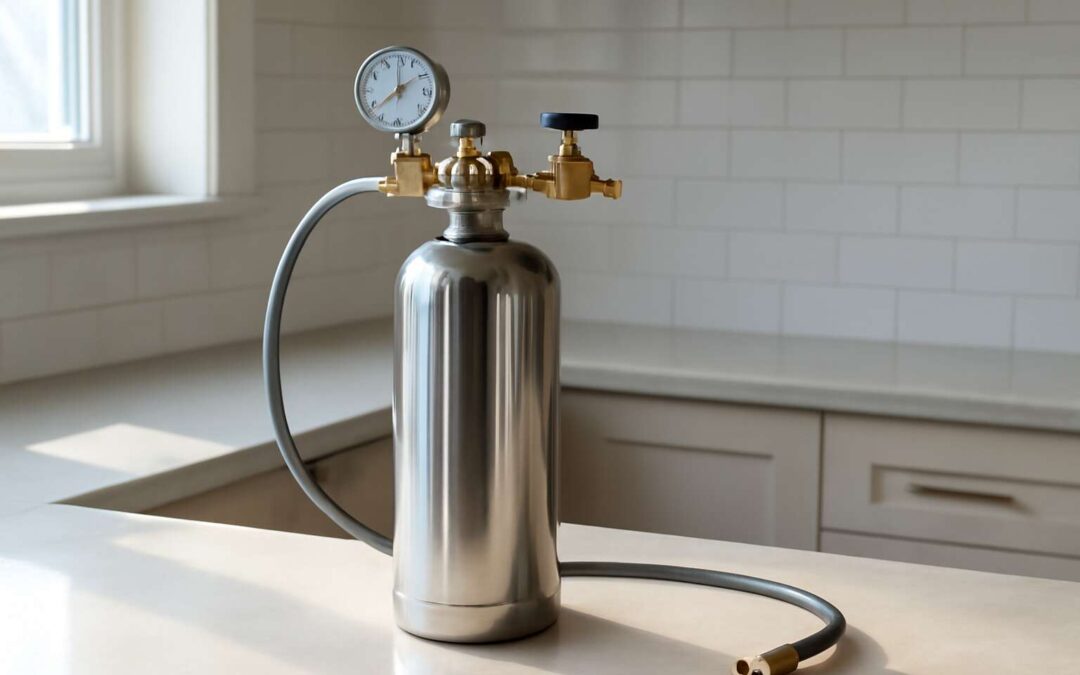
Gas bottles and cylinders safety fundamentals
Key safety regulations for gas containers
Gas safety in South Africa hinges on a simple, stubborn truth: a gas bottle or cylinder is only as safe as the culture surrounding it. A leak, a dent, a misplaced valve—these moments expose gaps between routine use and real danger. Safety fundamentals matter to everyone in the home and workplace; that mindset is the difference between calm and chaos!
Key safety regulations for gas containers shape how we handle, store, and transport them, setting the bar for manufacturers, employers, and users alike.
- Labeling and identification requirements
- Periodic inspection and testing standards
- Proper personnel handling and training expectations
- Ventilation and storage compliance in facilities
Our commitment is to clarity, not jargon. Stay informed about compliance, and expect your suppliers to share safety data sheets and regulatory certificates for every gas bottle or cylinder you use.
How to inspect gas bottles and cylinders
Across South Africa, a tiny flaw can rewrite a day in an instant. A gas bottle or cylinder carries more energy than its size suggests, and even a subtle dent, a trace of corrosion, or a stubborn valve can tilt a room from calm to chaos. The fundamentals start with watchful eyes and attentive hands—zones of safety that separate routine use from real danger.
- Visible damage: dents, bulges, or corrosion on the body.
- Valve integrity and the presence of a secure protective cap.
- Clear, legible identification and any date codes or service stamps.
Safety thrives on a culture of care, from the workshop to the home. In every setting, the emphasis is on calm, informed handling that respects the power contained in a gas bottle or cylinder, underlining a quiet commitment to everyone’s wellbeing.
Safe transport and storage of gas containers
A single misstep with a gas bottle or cylinder can turn a quiet room into chaos in moments. In South Africa, safety culture starts long before use, with respect for the energy contained in every cylinder. When transport is considered, we measure risk in exposure, proximity to heat, and the human factor—people who understand that a small flaw can compound into a crisis. This is not alarmism; it’s practical realism about everyday life!
- Environment and temperature considerations
- Clear identification and secure access
- Compatibility with nearby materials
The power contained in this equipment demands a culture of care that blends respect, regulation, and practical wisdom. We value calm, informed handling that protects neighbours and workers alike, making safety a shared responsibility rather than a set of rules.
Common hazards and prevention measures
One spark, one slip, and a room can flip from routine to crisis in moments. In South Africa, safety culture around a gas bottle or cylinder starts long before the valve is cracked—respect for the energy it contains, and for the people nearby. This isn’t alarmism; it’s practical realism that keeps workplaces calm and neighbours safe.
Common hazards center on unseen leaks, damage, and heat that can spark ignition. Left near a doorway or tools, such equipment can unleash rapid pressure changes. Corrosion at valves, misplaced connections, and mislabeling heighten risk.
These hazards reveal why clear identification, secure access, and compatibility with nearby materials matter.
- Leaks and weak seals
- Physical damage from impact
- Overheating or ignition sources
- Mislabeling or incompatible surroundings
In South Africa, safety is a shared duty that blends caution with knowledge, and every gas bottle or cylinder deserves respect.
Different types of gas cylinders and bottles
Metal vs composite cylinders: pros and cons
Gas bottle or cylinder choices aren’t just about capacity; they shape how teams move, lift, and work without turning a job into a two-day gym session. Metal cylinders—steel or aluminium—have earned trust through rugged durability and straightforward servicing, while composite cylinders offer featherweight handling that’s a godsend on long SA sites. The trade-off remains price and tolerance to harsh handling; pick the profile that matches your workflow and budget.
- Metal cylinders (steel) are rugged, affordable, and easy to recycle, making them a safe default for many operations.
- Metal cylinders (aluminium) cut weight and resist corrosion, but come at higher initial cost and slightly different strength characteristics.
- Composite cylinders deliver superb ergonomics and corrosion resistance, yet demand careful procurement and maintenance due to a steeper price tag—perfect for teams prioritising ease of transport.
For those in South Africa’s diverse industrial landscape, the right gas bottle or cylinder choice reduces fatigue and boosts uptime without compromising safety. A well-balanced mix aligns with site realities and procurement cycles.
Common gases stored in cylinders
A single misplaced gas bottle or cylinder can turn a routine task into a hours-long chase. On South African sites, I’ve watched teams adjust every move—from lifting to securing a safe work zone—by choosing the right cylinder profile. Different types of gas cylinders exist, balancing rugged reliability with weight and price.
Common gases stored in cylinders span the staples, shaping everything from welding to shielding. Here’s a snapshot of the usual suspects:
- Oxygen
- Nitrogen
- Argon
- Acetylene
- Carbon dioxide
- LPG (propane or butane)
In our SA environment, the right gas bottle or cylinder mix lines up with site realities and procurement cycles, keeping workflows lean and safety uncompromised.
Domestic vs industrial use cylinders
Across South Africa’s workshops, wrong gas choices turn a routine task into an hours-long chase. The correct gas bottle or cylinder keeps lines flowing and downtime in check, while a mismatched profile can grind progress to a crawl.
Different gas cylinders and bottles sit on a spectrum from domestic convenience to industrial durability. Here’s how they tend to align:
- Domestic cylinders: smaller capacity, lighter weight, easy handling for home workshops.
- Industrial cylinders: larger capacity, higher pressure, rugged construction for tough sites.
- Specialist configurations: tailored valve options and fittings for common welding and shielding needs.
In South Africa, the choice mirrors site realities and procurement cycles, keeping operations lean while staying compliant with local standards.
Identifying markings and labels on gas containers
Labels are not cosmetic—they are lifelines. In South Africa’s workshops, the right marking can calm a ticking clock and keep downtime from spiraling. “Labels tell the truth about the gas inside,” says a SA safety director, and every gas bottle or cylinder carries its own weathered map of identity.
- Gas identity and hazard class
- Manufacturer and batch/serial numbers
- Regulatory marks (SABS/ISO)
- Service pressure and valve type
- Hydrostatic test date and next due
- Hazard warnings and compatibility
They inform, align, and anchor operations within local standards, letting teams read the container at a glance. Beyond the basics, visual cues like color bands and pictograms can vary regionally, and a careful read of the markings reveals the life and contents inside.
Buying, leasing, and renting gas containers
Where to purchase gas cylinders safely
Gas bottle or cylinder are a backbone of many South African kitchens and workshops. Millions depend on them daily, powering everything from home cooking to small manufacturing. When choosing how to source one, reliability and safety should trump price alone; secure, licensed suppliers are essential for ongoing access and peace of mind!
Where to purchase gas cylinders safely:
- Licensed gas suppliers and service centres
- Major hardware retailers with safety certifications
- Cylinder exchange or rental programs from reputable providers
Whether you buy, lease, or rent, select suppliers that uphold clear terms and safe handling commitments. This supports steady access and compliance across South Africa.
Rental and lease terms to watch
In South Africa, a gas bottle or cylinder fuels countless kitchens and workshops, and a single lease clause can swing safety and cost from caution to reckless risk. Buying, leasing, or renting each path carries its own rhythm—ownership, flexibility, and ongoing support shape daily operations more than the initial price ever could.
- Ownership and maintenance responsibilities
- Delivery, refilling, and exchange policies
- Policy on deposits, pricing, and contract renewal
Rental and lease terms to watch for are rarely glamorous, yet they determine reliability and compliance in real measure. Common terms include transparent safety commitments, service centre access, and clear termination options, all wrapped around a gas bottle or cylinder that remains more than a commodity—it is a lifeline.
Assessment: cylinder test dates and certification
In South Africa, a single gas bottle or cylinder can light a kitchen or stall a workshop—and a single missing certification can turn a safety margin into a liability. ‘A cylinder is trust made tangible,’ says an inspector I know. The clock ticks on every test date, and the stamp is the promise kept between supplier and user.
Whether you buy, lease, or rent, the importance of cylinder test dates and certification cannot be overstated. Ownership means you own the paperwork as well as the device—the certificates must align with refills, service checks, and exchange policies. Leasing or renting shifts the accountability to the operator and supplier, but the test dates must travel with the container, clearly documented.
To keep every decision safe and compliant, seek suppliers who provide transparent documentation and timely recalls. Ask for current test dates, certificate validity, and a simple ledger of every exchange.
Cost considerations and bulk purchases
In South Africa, one gas bottle or cylinder can power a bustling kitchen or workshop, and the cost of getting it right goes beyond the price tag. A misaligned purchase choice turns a safety margin into a budget leak.
Buying a gas bottle or cylinder means owning the paperwork, refill schedules, and exchange policies that keep every refill compliant. Upfront price matters, but bulk purchases slash per-unit costs and simplify stock management. Consider storage, handling, and the cost of downtime if cylinders are unavailable.
- Bulk discounts and price per refill
- Deposit, transport, and handling fees
- Warranty and recalls across multiple units
Leasing or renting shifts accountability to the operator and supplier, but test dates and certification travel with the container. For bulk needs—catering, workshops, or production lines—extended terms often deliver efficiency and fewer price shocks.
Return and exchange policies
In South Africa, uptime is a currency that never loses value. A hiccup with a gas bottle or cylinder can ripple through a kitchen or workshop in minutes, turning readiness into downtime. Buying gives you the reins: the paperwork, refill cadence, and the delicate balance between safety and cost that keeps operations humming!
Return and exchange policies shape every purchase. We look for clarity on the return window, the condition required for exchanges, and any restocking or transport fees.
- Return window and documentation
- Condition criteria for accepted returns
- Exchange process and turnaround time
Leasing or renting shifts accountability to operator and supplier, yet test dates stay with the container. For larger needs—cafés, workshops, or production lines—extended terms can smooth cash flow and steady service. The right mix keeps your gas infrastructure agile and dependable.
Safety standards, certifications, and compliance
Global and regional standards for gas containers
Safety isn’t optional—it’s oxygen in the system. In South Africa and around the world, safety standards for a gas bottle or cylinder are the quiet backbone that prevents catastrophe.
Global standards (ISO) and regional bodies (SABS, EN) codify what must be visible: marks, dates, and tested integrity. Compliance isn’t cosmetic; it’s the guarantor of safe use, storage, and transport.
- Independent certification, traceable batch numbers, and current hydrostatic/test dates.
- Clear markings and labels matching ISO, EN, and SANS/SABS requirements.
- Manufacturer and supplier compliance with regional safety regimes and local regulations.
- Periodic retesting and recertification per national regulations.
For consumers and businesses, sourcing a gas bottle or cylinder from reputable, compliant suppliers ensures traceability and safety. Check the marks and keep documentation handy—the right standard is your best ally.
Certification marks you should see
In every workshop shed and home kitchen across South Africa, a properly marked gas bottle or cylinder carries more than gas—it carries trust. Safety isn’t optional; it’s the breath before the flame and the quiet promise you make to loved ones and neighbours.
Global standards (ISO) and regional bodies such as SABS and EN codify what must be visible. Certification marks, independent testing, and current hydrostatic test dates form a visible shield.
- Independent certification
- Traceable batch numbers
- Current hydrostatic/test dates
When you source from reputable suppliers that align with these regimes, you gain traceability and real safety. Keep the documentation handy—the marks and dates are your best ally in everyday use.
Inspection and hydrostatic testing requirements
“Safety isn’t a luxury; it’s the breath before the flame,” a trusted saying in our industry. When it comes to gas safety, ISO standards and regional bodies like SABS and EN codify what must be visible. Certification marks, independent testing, and current hydrostatic test dates form a quiet shield that speaks louder than any label.
For peace of mind, source only from reputable suppliers who align with these regimes. Look for long-standing documentation, clear traceability, and up-to-date test dates—the visible proof of compliance. In everyday use, your cylinder’s marks are your most faithful ally. A well-marked gas bottle or cylinder carries trust into kitchens, workshops, and the field—no more, no less.
Safety training and handling procedures
From the heart of South Africa’s busy workshops, safety training isn’t a ritual—it’s a living shield! When teams understand the language of risk, a gas bottle or cylinder becomes a partner rather than a peril, guiding decisions with calm, professional confidence.
Standards bodies and regulators—ISO, EN, and SABS—stamp what must be visible on every unit. Reputable suppliers weave these regimes into training and handling procedures, turning certification marks, independent testing, and current hydrostatic test dates into a quiet shield that travels from warehouse to site.
- Aligned standards: ISO, EN, and SABS compliance
- Clear certification marks and traceability
- Current hydrostatic test dates and inspection history
With trained personnel and a culture of care, these vessels carry trust into kitchens, workshops, and the field—no more, no less.
Maintenance, handling, and reuse tips
Daily checks before use
Statistics show many South Africans underestimate daily checks on a gas bottle or cylinder, turning routine use into risky business. Safety culture isn’t a wish list—it’s a habit you can build.
Maintenance matters because the bottle’s skin and its fittings age too. Keep the surface clean, cap in place, and watch for corrosion or leaks around the valve. Daily checks before use become a quick, quiet ritual that pays big dividends.
- Body integrity
- Valve and connection condition
- Approved reuse and certification
Handling and reuse hinge on respecting safety channels. In practice, the industry stresses keeping the gas bottle or cylinder away from heat and ensuring empties are returned to licensed suppliers for recycling or refilling. Good habits reinforce safety, keeping households and workplaces compliant with SA standards.
Proper handling and lifting techniques
Maintenance isn’t glamorous, but I see it as moral discipline. A gas bottle or cylinder isn’t simply a vessel—its skin ages, its fittings wear, and vigilance pays. I keep the surface clean, cap in place, and I watch for corrosion or leaks around the valve. Small neglects become hazards in a blink.
Handling is about quiet respect: my posture, balanced weight, and calm movements protect everyone in the room. It’s less about brute force and more about stewardship, especially in busy kitchens, workshops, and storage areas.
Reuse hinges on safety channels and certification. Empties belong with licensed suppliers for refilling or recycling, never left to languish where risk grows. I see these choices as acts of responsibility that keep workplaces compliant.
Leak detection and emergency response
Maintenance isn’t glamorous, but it keeps the lights on and drama off. Regular checks on fittings and valve areas stop creeping corrosion and tiny leaks from turning into headlines. Treat the gas bottle or cylinder as a patient: clean, capped, watched.
Handling is a discipline, not a stunt. Move with purpose, balance weight, and use trolleys or carriers. In SA kitchens and workshops, calm movements protect everyone.
Reuse thrives on clear channels: empties go back to licensed suppliers for refilling or recycling, never languish in dim corners where risk grows.
Leak detection and emergency response demand calm competence. If you smell gas, evacuate and call your supplier or 112. If safe, close the valve and ventilate.
- Soapy-water test around joints to spot bubbles (safe only).
- Do not operate switches or flames during a suspected leak.
- Move away and await professionals.
Maintaining labeling and inventory records
In the quiet theater of every SA workshop, labeling and inventory records are the quiet spell that keeps operations smooth. A clear log for each gas bottle or cylinder prevents mix-ups, delays, and lost assets, turning chaos into order and accountability. The heart of maintenance beats here, unseen yet essential.
Maintain durable, legible labels on every unit, with a unique asset number, storage location, last test date, and responsible handler. Digital logs or simple ledgers sync with stock counts, supporting FIFO and easy retrieval during audits.
Reuse thrives when empties and full units travel through traceable channels—returns to suppliers for refilling or recycling are recorded, never left to languish. A compact checklist keeps the workflow sharp:
- Unique ID for each cylinder
- Current location and status
- Regular audit and reconciliation
End-of-life disposal and recycling options
In the quiet workshop, maintenance, handling, and reuse are the caretakers of calm. A steady gaze over every unit—proof of pressure, snug seals, and proper venting—becomes a ritual that saves lives and assets. The gas bottle or cylinder deserves respect: a hushed sentinel whose health is measured by date, condition, and the integrity of its labels! End-of-life disposal and recycling options should be part of the life story, not afterthoughts.
Consider the arc of its final journey: supplier take-back, certified recyclers, or metal reclamation that returns steel skeletons to the earth’s silent forge. I’ve learned that keeping traceable records of transfers, tests, and decommissioning preserves dignity and safety for all who depend on these vessels.
- Supplier take-back and refilling as a policy option
- Certified recycling or metal reclamation options
- Lifecycle documentation and certification to close the loop