
Gas bottle replacement timing: signs and guidelines
Visible leaks and hissing signals
Across kitchens from Cape Town to Durban, a small hiss can carry big consequences. “A tiny hiss is a warning—listen closely,” a SA safety advisor often says. Understanding when to change gas bottle is part of responsible living, especially when homes rely on gas for daily meals and warmth.
Visible leaks and hissing signals are the most obvious alarms. Look for:
- Visible leaks or damp patches around the bottle or valve
- A distinct hissing or sputtering sound
- Uneven weight or the bottle feeling lighter than usual
- Rust, corrosion, or damage on the neck or valve
In these moments, a professional assessment is advised. In South Africa, your gas supplier or a licensed technician can confirm the status and ensure safety. These signs guide readers toward safe, timely decisions.
Shocks and dents: assess cylinder condition
“A dent is a danger dressed in steel,” a SA safety chorus likes to quip, and it’s hard to disagree. So, when to change gas bottle? It isn’t always a cliff-hanging moment—it’s about the cylinder’s condition as much as how often it’s used. Shocks and dents can creep up quietly, turning a sturdy cylinder into a liability.
Shocks and dents: assess cylinder condition for structural integrity and safe handling.
- Deep dents or gouges
- Rust, corrosion or flaking paint
- Bulging or deformed neck/valve
In doubt, reach out to your gas supplier or a licensed technician in South Africa—their expertise is the difference between a kitchen triumph and a smoky memoir.
Cylinder weight and empty feel: checking gauge readings
Across South Africa, a kitchen’s pulse often depends on a simple weight in the bottle. The crucial line of inquiry—when to change gas bottle? It’s not a cliff-hanger; it’s a quiet arithmetic of usage, weight, and time. Read the cylinder like a living object; its rhythm tells you more than any valve gauge.
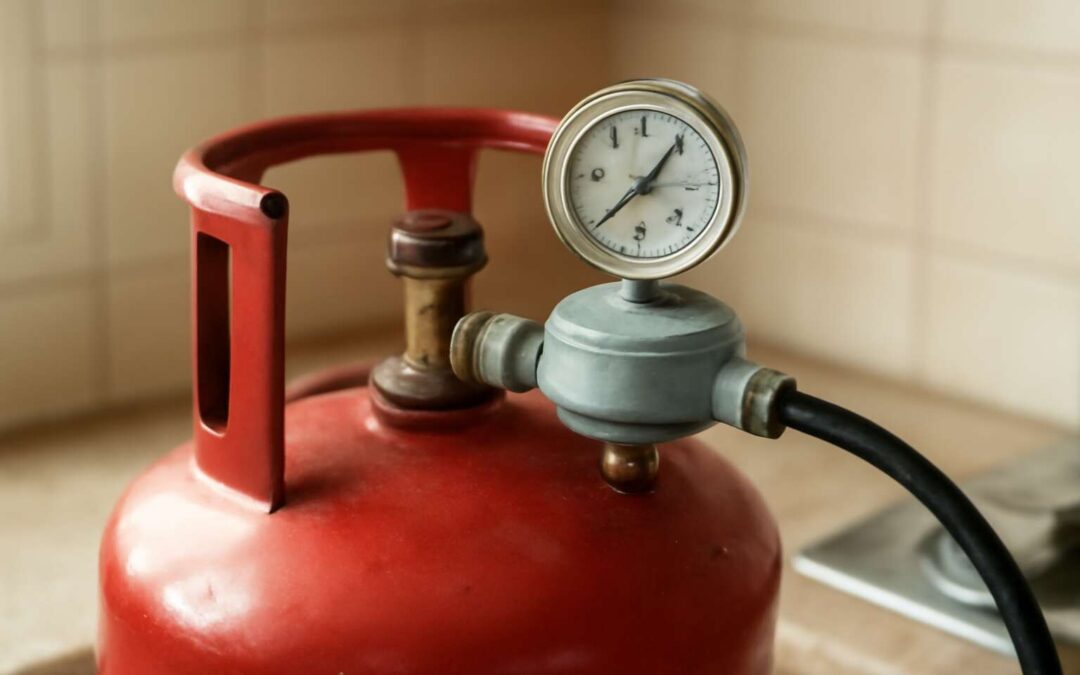
Cylinder weight and empty feel: the heft changes as gas disappears. Gauge readings act as a second chorus, nudging you toward the moment pressure slips toward the low end. Here are signs to listen for:
- Noticeable weight reduction since the last change
- Gauge reading consistently near the low or empty zone
- Waning cooker performance or a sense that the bottle is nearing depletion
In the end, the question of when to change gas bottle is less dramatic than a steady habit of care. If in doubt, reach out to your gas supplier or a licensed technician in South Africa—their expertise keeps the kitchen singing and the flame steady!
Regulatory and safety standards for expiry dates
The kitchen clock in South Africa rarely ticks with romance; I hear it in the gauge and in the memory of a full bottle. When to change gas bottle is not drama but a disciplined cadence—a reminder that time, weight, and regulation keep the flame honest. Understanding when to change gas bottle sits at the crossroads of usage and safety; a quiet arithmetic that honours expiry dates and the bottle’s own rhythm.
- Regulatory framework and expiry labeling under SA standards
- Recertification windows set by certifying bodies
- Manufacturer and supplier markings for status
- Licensed technicians confirm expiry and swap readiness
Expiry dates for cylinders are not arbitrary; they rest on a safety-first scaffold upheld by law. In practice, South African households rely on their gas supplier and a licensed professional to interpret markings, ensuring the bottle remains a reliable, steady flame rather than a risk in disguise.
What to do if you’re unsure: call a professional
Timing in gas safety isn’t drama; it’s discipline. If you’re asking when to change gas bottle, you’re listening to the kitchen’s quiet arithmetic—the weight, the rhythm, the regulator’s sigh.
Keep an eye on signs that something is off: erratic gauge readings, a bottle that feels lighter or heavier than expected, or a regulator that resists turning smoothly. These cues are not alarms to panic but invitations to responsibility!
- Erratic pressure readings on the cylinder gauge
- Unusual weight difference compared with previous swaps
- Regulator feel or operation changes that don’t align with normal use
If unsure, call a professional. Your gas supplier and a licensed technician will interpret markings and confirm swap readiness, keeping safety intact.
Safety first: how to inspect a gas bottle before replacing
Checking the valve and connections for corrosion
One faulty valve can turn a quiet kitchen into a safety alarm. Safety first guides every inspection before you replace a gas bottle. Knowing when to change gas bottle is part of a calm, confident routine.
I start with the valve and its connections! Inspect for corrosion: rust, flaking metal, or a greenish film around threads or seals. If you see anything suspicious, pause and reassess before you proceed.
- Check the valve stem and connections for rust, pitting, or residue.
- Inspect threads for damage or cross-threading that could cause a leak.
- Feel for stiffness or unusual looseness at the joint when you gently test the hose.
Small defects can escalate fast, so trust what you see more than what you assume. A clean, tight fit is a quiet signal that you’re ready for the next bottle, not a risky encounter.
Testing for leaks with a soap solution
Safety first isn’t a slogan—it’s the quiet shield that keeps kitchens calm. In South Africa, many domestic gas incidents begin with a leak that slips past an untested bottle. Testing for leaks with a soap solution is a simple, non-sparking check that belongs in any pre-replacement routine. Knowing when to change gas bottle is part of a calm, confident method.
Before you replace, position the bottle upright in a well-ventilated area and take a careful look at the setup. Then test with a soap solution—apply it to valve joints and fittings and observe what happens. Small signs are easy to miss, but they matter.
- Soap bubbles signal a leak at a valve or seal
- No bubbles suggest seals are intact for the moment
- Persistent bubbles indicate the bottle should be replaced and checked by a professional
Approach every inspection as a public act of caution—protecting your home, your family, and your neighbours from the consequences of a hidden fault.
Inspecting cylinder label and status stamp
A reading of a gas cylinder’s truth is etched on its label and stamped seal. In South Africa, a bottle’s status speaks before the hiss or the flame. A careful glance at the label—readable gas type, capacity, and model—tells you more about safety than bravado ever could. Understanding when to change gas bottle is part of a calm, confident method.
- Readable cylinder label with clear gas type, capacity, and model
- Visible status stamp indicating last inspection or service window
- Clear safety markings and handling notes free of obscuring damage
Label integrity is a moral barometer—a small sheet of metal carrying trust. When the stamp is faded or the print unreadable, I feel the weight of responsibility shift, reminding us that caution is not fear but duty in a country where every household deserves a safe, steady kitchen.
Proper storage and handling before disposal
Safety first is the grown-up version of don’t play with matches, and in South Africa that common-sense swagger often beats bravado around a hot stove. Knowing when to change gas bottle is decided by the bottle’s temperament, not by bravado. Before you swap cylinders, take a calm, curious look at the label—there’s more truth in readable type than in fireworks!
- Cap and collar stay intact and the label remains legible.
- Storage is upright, in a ventilated area away from heat and direct sun.
- Disposal or exchange is coordinated with a licensed supplier or authority to keep everyone safe.
That quiet vigilance extends beyond the moment of change to how the bottle sits in your space. Proper storage and handling before disposal protects households and pets, and keeps the neighbourhood drama-free.
When to stop using a bottle and replace immediately
Safety first isn’t a slogan; it’s a heartbeat you hear if you listen. In South Africa, a bottle that won’t cooperate asks for our attention, not bravado. I’ve learned that safety is listening, not bravado.
Inspect with calm attention: ensure the label is legible, the cap and collar intact, and the bottle upright in a ventilated space away from heat. If any cue fails, replacement deserves thought. Remember: when to change gas bottle is a decision made with calm reasoning, not bravado!
When to stop using a bottle and replace immediately becomes a moral question—deformation, warmth, or unreliability should end the cycle. Quiet vigilance protects households, pets, and neighbours.
Emergency steps if a leak is detected
Calm hands, clear eyes—the quiet ritual of inspection is the first shield we offer our homes. In South Africa, safety lives between breath and bolt, between habit and vigilance. The decision to replace a bottle grows from calm reasoning, not bravado. Inspect with intent: keep the bottle upright in a ventilated space away from heat, and note any signs of wear with a steady heart.
Emergency steps if a leak is detected are a code of care rather than panic.
- Move people and pets to fresh air and avoid flames or sparks.
- Do not operate electrical switches or use open flames.
- If safe, turn off the gas supply at its valve.
- Call your supplier or local emergency services from a safe distance.
This disciplined approach mirrors the broader truth: this is part of knowing when to change gas bottle.
Cost, options, and replacement tips
Gas bottle exchange programs and refilling options
Safety comes first, but cost matters too. In South Africa, households weigh gas-bottle exchange programs against refilling options, and all while wondering when to change gas bottle. A timely swap reduces downtime and waste, keeping kitchens humming and braais ready.
Cost and options at a glance:
- Gas bottle exchange programs: convenient, with a fixed price and deposit; swap an empty for a full bottle and skip refilling logistics.
- Refilling options: often cheaper per kilogram, with flexibility on bottle size and service frequency—just confirm the supplier’s safety credentials.
Replacement tips: choose accredited suppliers, verify label and status stamps, and ensure the valve and connections are in good order. Track usage to anticipate a change and store bottles upright in a cool, ventilated spot.
Comparing prices vs. cylinder ownership
Keep the flame alive: in South Africa, an empty gas bottle can derail a braai or weeknight dinner. “Keep the flame alive,” a chef once quipped, and it still rings true today. A timely swap preserves momentum and cuts wasted minutes when plans hinge on heat.
Costs vary between exchange programs and refilling options. Exchanges offer fixed prices and deposits, while refills can be cheaper per kilogram and let you tailor bottle size and service frequency. Knowing when to change gas bottle saves downtime.
- Pricing clarity, including deposits and return terms
- Delivery cadence and bottle availability
- Supplier safety credentials and service reliability
Replacement tips: insist on proper labeling and a secure valve seal, manage swaps smoothly, and store cylinders upright in a cool, ventilated space. In practice, this is when to change gas bottle.
How to choose a reputable supplier
That moment when a braai hinges on heat is melodrama worth a chef’s tip, and a timely bottle swap can save the evening. In SA, costs swing between exchanges with fixed deposits and refills by kilogram. This is crucial: when to change gas bottle to keep dinner on the boil.
Options abound: exchanges offer fixed prices and deposits, while refills can be cheaper per kilogram and tailor bottle size and service frequency. Delivery cadence, bottle availability, and supplier safety credentials shape the choice, helping you plan a swap without heat loss.
Replacement tips: keep swaps smooth and safe, with a few practical steps.
- Verify labeling and inspect the valve.
- Coordinate the swap to minimise downtime.
Tips to extend bottle life and maximize safety
In SA, a braai is as much a weathered clock as flame and fuel. Knowing when to change gas bottle keeps the flame dancing and the guests smiling. The cost pendulum swings between exchanges with fixed deposits and refills by kilogram—plan your cadence, protect the evening’s heat.
Options shift like shadows at dusk: swaps that cap price and deposit, or refills that trim per‑kg cost and let you tailor bottle size to your needs. I weigh delivery windows, bottle availability, and supplier safety credentials, because a swift swap today saves a scorched plate tomorrow.
Replacement guidance: keep swaps smooth and safe with thoughtful considerations. Align the swap with your cooking timeline, and coordinate with a trusted supplier to minimise downtime. Extend bottle life and safety by storing upright in a ventilated area and logging exchange dates.
Regional regulations, warranties, and safety standards
Regulatory expiry dates and date codes explained
South Africa’s gas cylinders carry regional safety standards and a SABS-compliant mark. Regulations govern expiry dates and the use of date codes to track service life and warranties. Knowing these rules helps determine when to change gas bottle and keep your setup compliant and safe.
- Date code: month and year of manufacture.
- Retest or expiry indicators: service life limits and re-test cycles required by local standards.
- Status stamp: ensures the cylinder has passed inspection and is within permitted use.
Warranties vary by supplier and cylinder type; always verify coverage and the terms attached to expiry notices. Regional safety standards emphasize proper handling, storage, and timely replacement to prevent leaks or failures.
Gas bottle exchange vs. refill policies by region
Across South Africa, gas safety is governed as much by region as by code. Regional regulations dictate how cylinders are exchanged versus refilled and frame the warranties attached to each bottle. Knowing when to change gas bottle is central to staying compliant and keeping households safe—peace of mind included!
- Exchange programs are often offered through licensed distributors in certain regions, with documented maintenance records required.
- Refill options may be limited by cylinder type or weight class and backed by supplier-specific warranties.
- Warranty terms vary—always verify coverage, service life expectations, and what triggers replacement.
Regional safety standards stress proper handling, storage, and timely replacement to prevent leaks or failures. Adhering to these rules keeps installations compliant and ensures consistent, safe operation across regions.
Warranty and liability considerations
Regional regulations in South Africa shape gas safety as tightly as any code. As one regulator puts it, “Safety first, always.” Where you buy the bottle can dictate whether it’s exchanged or refilled, and the warranty follows that choice. Understanding when to change gas bottle is central to staying compliant and keeping households safe—peace of mind included! Our team believes clarity saves lives.
Warranty and liability tighten or loosen with jurisdiction, so verify terms and who bears risk for leaks, failures, and cylinder faults.
- Coverage duration and renewal conditions
- Triggers that require replacement or repair
- Record-keeping obligations and liability scope
Regional safety standards insist on proper handling, storage, and timely replacement to prevent leaks. By understanding these nuances, professionals and households stay aligned across provinces.
Certifications to look for when purchasing
In South Africa, safety wears a regulatory iron crown, and every bottle carries a jurisdictional oath. “Safety first, always,” the maxim goes, guiding inspectors and suppliers alike. Understanding when to change gas bottle sits at the heart of compliance and keeps homes from slipping into the fog of leaks and missteps.
The certifications to look for when purchasing a bottle are your lantern in the dark:
- SABS marking and recognized safety certifications
- Expiry date codes and status stamps on the cylinder label
- Warranty terms and region-specific liability statements
These markers ensure you know what you’re buying and how it binds to your region.
Warranty and liability are carved by jurisdiction, so verify terms and who bears risk for leaks and cylinder faults. Regional policies can tilt decisions toward exchange or refill, shaping the timing across provinces.
Tips to ensure compliance with local fire and gas codes
Regional regulations in South Africa shape every decision around gas storage and bottle life. Warnings, liability, and safety standards are not cosmetic; they guide compliance, training, and supplier choices. Look for SABS marking and expiry codes on labels as a quick read of regional acceptance and safety.
Warranties vary by province, so read terms to understand who bears risk for leaks or faults. Compliance means following fire and gas codes, proper storage and handling, and choosing suppliers aligned with local rules. In practice, understanding when to change gas bottle is part of staying compliant.