
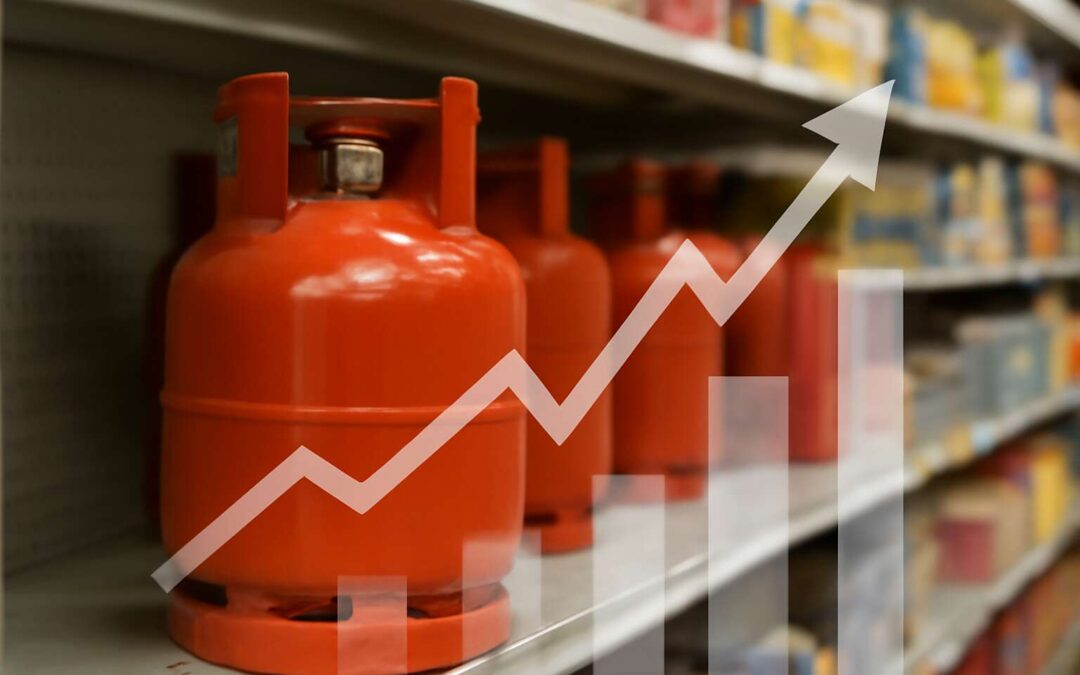
Market factors affecting gas bottle prices
Global commodity trends
Gas prices don’t drift—they surge with the global money drumbeat. Global LPG prices rose roughly 8% last year, market trackers suggest, filtering down to every SA cylinder. So, will gas bottle prices increase again this year? If the world speeds up, a spike isn’t far behind.
Market factors and global commodity trends are the levers, and South Africa isn’t immune to the tug-of-war between supply and demand.
- Currency swings, especially rand strength against the dollar
- Freight and shipping costs across international routes
- Raw material supply fluctuations and refinery maintenance
- Regulatory shifts and policy dynamics affecting LPG imports
In SA, rand volatility and local logistics add spicy fingerprints to pricing. Public sentiment, regional demand, and occasional port disruptions create a mosaic that makes the number bounce.
Global cycles and commodity trends keep the market honest, and the constellations of supply and demand continue their unpredictable waltz with price tags.
Production and supply constraints
Gas prices don’t drift; they collide with production realities, and the ripple reaches every SA cylinder. This is why the question persists: will gas bottle prices increase as supply tightens? When refineries schedule maintenance and bottling plants stretch to keep up, the cost of moving LPG from field to shelf climbs—quietly but relentlessly.
Production and supply constraints are the twin fulcrums shaping the price tag. The toll exacted by any disruption isn’t just on factories—it travels along the chain to the consumer.
- refinery downtime and maintenance windows
- bottling plant capacity and workforce limits
- port congestion and freight delays
As a result, costs can shift even when demand holds steady, nudging the price of gas bottles in subtle, human ways.
In this chess game, I watch these currents up close and see how tiny shifts ripple through households. Delays and port backlogs become stories of human endurance and the prices we feel at the bottle tap.
Regulatory and tax implications
In the SA market, regulatory and tax shifts don’t arrive with fanfare; they land in the ledger and in the timing of a bottling line. Even a small VAT tweak can feel like a pinch at the bottle tap, reminding us that LPG pricing is a policy journey as much as a market dance.
Here are the regulatory inflections to watch as costs drift through the system:
- Value-added tax (VAT) adjustments affecting consumer bills
- Carbon tax changes that nudge fossil-based fuels higher
- Duties and import levies on cylinders, valves, and components
- Safety compliance costs, audits, and certification fees
- Port, licensing, and inspection fees that slow the movement of LPG
These levers don’t shout; they creep. So, will gas bottle prices increase when regulators adjust taxes and duties?
Exchange rates and import costs
South Africa lives by currency weather. A small swing in the rand can reshape the final price you pay at the bottle tap. Market watchers know that exchange rates don’t just move numbers—they move margins, logistics, and the everyday itch of household budgets.
- Rand volatility adds bite to import bills as LPG enters the country
- Freight costs, fuel surcharges, and port congestion ripple to shelf prices
- Value-added taxes and duties on cylinders and components pass through
- Lead times and container shortages push up landed costs
- Global demand cycles seep into local pricing through supplier quotes
So, will gas bottle prices increase? The answer isn’t black-and-white; it rides the tide of currency moves and import costs, tempered by efficiency gains at the point of sale.
Distribution and logistics costs
“The rand is a temperamental weather vane,” someone once quipped, and it has a point. Markets hum with logistics and the occasional gust of consumer impatience; a single wobble in the supply chain can tilt the price tag on the bottle tap. So, will gas bottle prices increase? The answer isn’t black-and-white—it’s a sly waltz of distribution, storage, and the occasional bureaucratic flourish.
Distribution and logistics costs act as the quiet puppeteers of the price. When freight, fuel surcharges, port charges, and warehousing swell, the landed cost climbs and lands on shelves with a polite, unwelcome thump.
- Freight costs and fuel surcharges that drift with diesel prices
- Port congestion and handling fees that stretch delivery timelines
- Warehousing, packing, and inventory carrying expenses
- Last-mile delivery pressures during demand spikes
Global demand signals seep into local quotes across SA, nudging margins without fanfare. The net result? Prices tilt, then settle, only to tilt again as the cycle breathes.
Consumer impact and budgeting
Planning for price volatility
Price is a heartbeat in South Africa’s kitchens, and lately the tempo is uncertain. A seasoned observer quips that when the numbers rise, households rise with them. The pressing question on every stove is clear: will gas bottle prices increase?
Consumers feel the tremor in monthly budgets as gas shifts from a convenience to a daily calculation. When prices swing, meals tighten and choices narrow; the ripple touches school lunches, weeknight bowls, and the quiet comfort of a family dinner. Rural and urban households alike feel the drift.
- Budget volatility reshapes how households allocate resources
- Refill frequency and timing influence daily routines
- Local retailers become anchors during uncertain periods
In this landscape, resilience writes itself in the margins of daily life, more than any forecast.
Comparing brands and cylinder sizes
Roughly four in ten South African households rely on gas bottles for daily cooking, and price ebbs shape the week. The core question on every stove is simple: will gas bottle prices increase?
When wallets tighten, families compare brands and cylinder sizes to stretch meals. Refills become a measured ritual, and the rhythm of daily life shifts with every trip to the shop, a quiet reminder of how even a small bottle can tilt a budget.
When comparing brands and cylinder sizes, these touchstones help keep budgets honest:
- Price per kilogram and overall bottle cost
- Cylinder size suited to your usage patterns (3kg, 6kg, 9kg)
- Refill frequency and retailer reliability
- Safety certification and valve compatibility
In this landscape, the consumer becomes a curator of flame and family, selecting brands with care to keep dinners warm while plans stay intact.
Refilling vs replacement options
South Africans know the drill: the weekly grocery bill seems to stretch farther while the gas bottle sits as a quiet anchor in the kitchen. The thought lingers: will gas bottle prices increase. When a family weighs meals, refilling becomes a ritual, while replacement invites a different timetable and perhaps a longer wait at the shop.
Budget-minded households compare refilling vs replacement options with a keen eye on value and reliability. Consider these touchstones:
- Cost per refill and cycle frequency
- Cylinder condition and safety certification
- Availability and retailer reliability
Ultimately, the result is a culinary choreography—frugal finesse meeting practical constraints—where every trip to the shop doubles as a test of patience and a quiet nod to domestic diplomacy.
Safety and compliance costs
Gas budgets are the quiet boss of the kitchen in South Africa. The big question: will gas bottle prices increase? It’s the kind of thing that stares back from the fridge while meals simper on the stove.
- Cylinder safety certification reminders
- Refill and handling fees
- Delivery and logistics surcharges
Budgeting comes down to value and safety: refilling vs replacement weighs on a calculator and a conscience. Safety and compliance costs creep into the ledger—cylinder testing, safety certification reminders, delivery surcharges—that tilt the balance just enough to change a shopper’s mood on payday.
In the end, each home’s culinary routine becomes a miniature economy show, where frugality and reliability dance to the hiss of the stove—and the price of keeping that flame lit.
Seasonal pricing patterns
Across SA kitchens, a winter breath can tilt the monthly ledger. So, will gas bottle prices increase? The question hovers like steam on a copper pot, nudging choices at the end of the month. Consumers feel the sway before payday—quiet, persistent, and personal—because a single bottle carries more than flame; it carries rhythm and risk in equal measure.
Seasonal pricing patterns thread through households like a metronome, nudging the way people plan meals and budgets. In cooler spells, demand tightens the purse, while hot spells soften the rhythm. The impact echoes in every checkout and chat around the stove.
- Seasonal demand spikes in winter months
- Holiday stock cycles and gifting expectations
- Logistics align with regional restocking windows
Regional price variation and market structure
Urban and rural price differences
Regional price variation isn’t a myth; it’s the geography of supply talking back. In South Africa, city wallets meet more competition and quicker turnover, while outlying areas grapple with longer trips and fewer refill points. So, will gas bottle prices increase? The answer often hinges on local market dynamics instead of national trends.
- Distribution reach and refill-network density
- Transport distances and fuel costs
- Retail competition and convenience pricing
In practice, wholesalers, jobbers, and informal traders stitch the price quilt differently across the country. Urban cores enjoy faster restocks, clearer pricing, and higher supplier competition, while rural grids rely on planned deliveries, longer lead times, and cash-conscious customers who haggle.
Local competition and supplier networks
More than 40% of South African households rely on gas bottles for daily cooking, a figure that turns price signals into a local skywriting. Regional price variation isn’t a myth; it’s the geography of supply talking back. In city cores, wallets meet sharper competition and faster turnover, while outlying areas count longer trips and fewer refill points as a daily obstacle course.
- Distribution reach and refill-network density
- Transport distances and fuel costs
- Retail competition and convenience pricing
Wholesalers, jobbers, and informal traders stitch the price quilt differently across the country. Urban hubs enjoy faster restocks and clearer pricing, while rural grids rely on planned deliveries and cash-conscious customers who haggle. This mosaic asks bluntly: will gas bottle prices increase, driven more by local market dynamics than by distant headlines.
Transportation and fuel surcharges
Across South Africa, price signals travel the road before the cylinder does. A veteran distributor quipped, ‘Price sits on the curb before the truck does.’ Regional variation isn’t a rumor—it’s the geography of supply whispering where refills happen and who pays more.
Consider these levers shaping local pricing:
- Distribution reach and refill-network density
- Transport distances and fuel costs
- Retail competition and convenience pricing
As routes lengthen, transport and fuel surcharges climb, nudging the numbers up. The question on many lips is: will gas bottle prices increase in your area?
These threads weave a map where street-level supply—rather than distant headlines—drives the bottom line!
Import dependency and tariffs
Across SA, price signals travel the road before the cylinder does. A recent industry snapshot shows 58% of buyers feel price moves before their bottle lands on the counter. Regional variation isn’t a rumor—it’s the geography of supply whispering where refills happen and who pays more.
These price threads tighten or loosen around a few fixed points.
- Import dependency and tariffs that add a hidden levy on every bottle
- Domestic market structure and refill-network coverage, which creates pockets of higher costs
- Currency swings and landed-cost volatility that ripple through the supply chain
So, will gas bottle prices increase in your area? Import dependency and tariffs are the hidden levers, nudging costs as policy and borders shift. In South Africa, the local market blends foreign inputs with domestic networks, and the price you see is the echo of that mix.
Regional demand cycles
Across South Africa, price signals travel the road before the cylinder lands on the counter, and regional price variation isn’t a rumor—it’s the geography of supply whispering where refills happen and who pays more.
Market structure and regional demand cycles choreograph the tempo of price moves. In bustling city corridors, dense refill networks can smooth prices, while remote pockets feel longer waits and higher costs as cycles swing with the calendar. So, will gas bottle prices increase in your area as these rhythms unfold?
- Urban density boosts refill-network reach, tempering spikes
- Rural gaps create pockets of higher per-bottle costs
- Seasonal demand shifts tilt the balance between supply and need
Strategies to mitigate rising costs
Buy in bulk or join supplier programs
Prices ripple like a distant chorus, and in South Africa the seasonality of demand makes futures of gas bottle costs feel almost musical. When the question arises, will gas bottle prices increase, resilience is found in smart choices and disciplined planning.
Strategies to mitigate rising costs lean on collective strength and calculated timing.
- Buy in bulk or join supplier programs to access bulk discounts and price stability.
- Consolidate refills with neighbours or local groups to leverage volume-based savings.
- Schedule deliveries during off-peak weeks to dodge seasonal surcharges and congestion costs.
Efficient usage and cylinder maintenance
Rising costs cast a long shadow over households and small enterprises, yet resilience whispers through prudent planning. In the South African landscape, will gas bottle prices increase? The answer is a nuanced chorus—supply chain rhythms, seasonal demand, and disciplined budgeting keeping the tempo steady.
Efficient usage and cylinder maintenance sharpen the instrument. Use gas fully before twisting to the next cylinder, store upright away from heat, and schedule regular inspection checks. Clean handling minimizes leaks and waste, guarding cash flow in months when prices waver.
- Bulk coordination with trusted partners to stabilise refills and pricing signals
- Align deliveries with predictable cycles to dodge congestion surcharges
Refill options versus cylinder exchanges
Across South Africa, energy costs drift like a fickle tide, and budgets must anchor through shifting currents. A seasoned supplier once said, ‘Prices bend, but prudence holds the bow straight.’ So, will gas bottle prices increase? The answer wears a nuanced cloak: watchful supply chains, seasonal rhythms, and disciplined planning keep the tempo steady for many households and small enterprises.
Strategies to mitigate rising costs lean on choosing refill options versus cylinder exchanges, weighing downtime, safety, and total spend. A simple ledger—volume, frequency, and wastage—becomes a compass. Look for supplier programs that stabilize pricing, schedule deliveries to avoid peak surcharges, and favor efficient handling that reduces waste. By treating refills as a managed cycle rather than a one-off swap, businesses can weather fluctuations in a world where prices drift but prudence anchors the voyage; will gas bottle prices increase?
Negotiating with suppliers and price locks
In a market where energy costs swirl like dragon dust across the Karoo, savvy buyers anchor budgets with steady strategy. The question “will gas bottle prices increase” becomes easier to chart when pricing is anchored with price-lock windows and scheduled deliveries.
- Price-lock programs
- Volume commitments
- Delivery scheduling alignment
- Usage audits
These concepts, wielded with calm and regular review, turn volatile markets into predictable tides for households and small firms. Partnerships that respect reliability pay dividends in security and continuity, even as the world shifts beneath us.
Partnerships that value steadiness often reward loyalty with steadier terms that cushion price shocks over time.
Tracking price indicators and alerts
Gas prices drift like storm-dark fog along South Africa’s corridors, and households watch the horizon for the next gust. The question “will gas bottle prices increase” gnaws budgets with a whisper of doom, even as daily routines press on. Yet clarity can emerge when market signals are read with a calm eye. Price indicators and alerts become a compass in the murk, turning chaos into a predictable rhythm.
- Price indicators and alerts as a lantern for risk and rhythm
- Seasonal signals and supply windows offer context without panic
- Strong supplier networks smooth the cadence of the pendulum swing
In South Africa’s evolving energy mosaic, staying attentive to signals keeps budgets dignified, even when markets breathe heavy. The night may fall, but the ledger remains yours.