
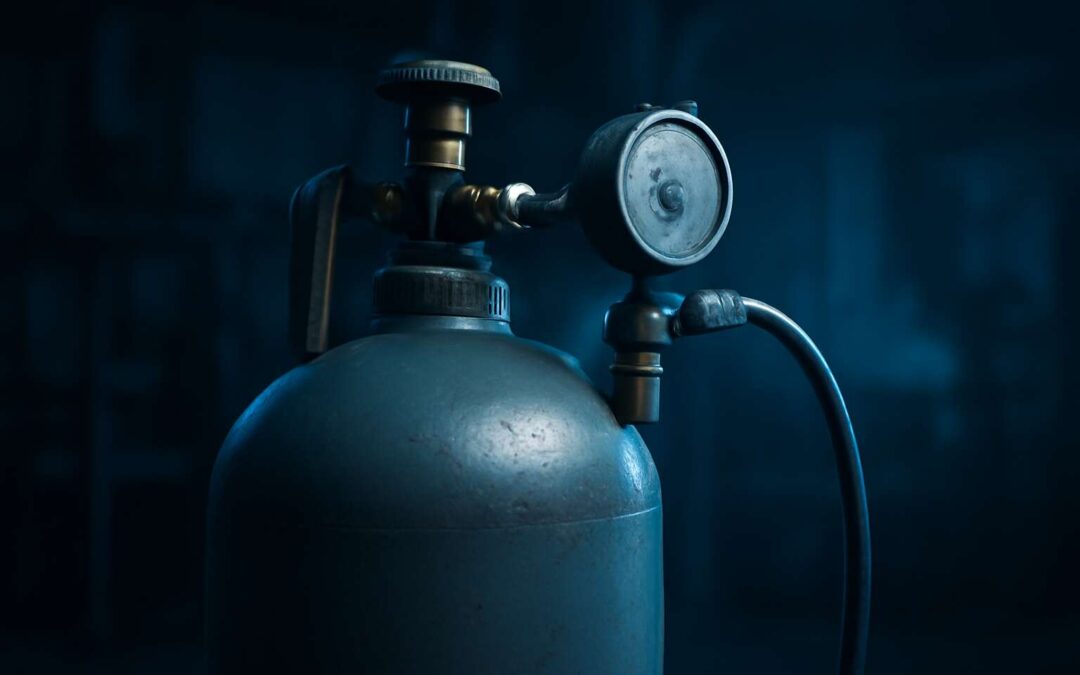
Causes and mechanics of gas bottle explosions
Common causes of gas cylinder explosions and fires
A single spark in a sun-warmed shed can turn routine meals into a dangerous blaze. The question behind that danger is simple: what makes a gas bottle explode? The answer lies in a tense interplay of heat, pressure, and containment.
So, why does a gas bottle explode? The short answer is heat driving pressure up, plus seals and fittings that strain until they fail. When the cylinder heats, gas expands; if a valve leaks or damage exists, ignition can ignite a volatile plume.
- Overheating from direct sun or confined spaces
- Faulty valves, hoses, or fittings that leak
- Physical damage or corrosion weakening the cylinder wall
- Improper storage near ignition sources
These elements illuminate the mechanics in South Africa, where ambient heat and aging hardware meet with careless handling to create peril.
How pressure buildup occurs inside gas bottles
In South Africa, I’ve watched a sun-warmed shed convert a simple meal into a near-miss. why does a gas bottle explode? The question sits at the crossroads of heat, pressure, and containment, where energy stored within metal can suddenly demand release!
Inside a cylinder, gas behaves like a restless guest: heat nudges molecules to move faster, and in a fixed volume that push must press outward. The result is rising pressure; if the cylinder’s seams or relief paths fail to accommodate that surge, the structure strains toward rupture. The system’s safety devices can vent, but when the energy outpaces release, disaster follows.
Here in SA, aging hardware and everyday handling amplify the hazard, turning rigid certainty into a volatile equation when the sun bakes a store, yard, or shed.
Role of ignition sources and fuel-air mixtures
In South Africa, a sun-warmed shed can turn a routine meal into a near-miss, a small furnace in disguise. The question—why does a gas bottle explode—sits at the crossroads of heat, pressure, and containment, where energy stored in metal demands release.
Inside a cylinder, gas behaves like a restless guest: heat nudges molecules to move faster, and in a fixed volume that push must press outward. The result is rising pressure; if the cylinder’s seams or relief paths fail to accommodate that surge, the structure strains toward rupture.
- Ignition sources: sparks, flames, static that meet a leak
- Fuel-air pockets: concentrated gas mixing with air creates danger
- Weak joints: aged valves and seals undermine safety
Role of ignition sources and fuel-air mixtures adds drama: even a tiny flame can ignite a concentrated cloud, and mix imbalances alter how violently it might burn. In sunny regions, risk lingers.
Impact of temperature, sun exposure, and physical damage
Sun-scorched yards in South Africa can turn an ordinary meal into a near-miss. A safety survey notes 40% of heat-related gas cylinder incidents occur under direct sun. In a sealed cylinder, heat nudges molecules to move faster, and in a fixed volume pressure climbs until the metal strains and relief routes falter. The result is a ticking container, a small furnace disguised as a bottle.
So, why does a gas bottle explode? The answer sits at the crossroads of temperature, containment, and fatigue. When heat drives pressure beyond what the seams withstand, failure follows.
- Direct sun exposure and radiant heat
- Physical damage or dents that create weak points
- Aging valves, seals, and faulty relief devices
On South African plots—from braai corners to roadside shacks—this risk lingers, a reminder that temperature and containment demand respect.
Failure modes in valves and regulators
On warm afternoons across South Africa, an ordinary cylinder wears a sunlit halo of danger. The question “why does a gas bottle explode” gnaws at the margins of reason. The answer sits at the crossroads of heat, containment, and fatigue: when heat pushes pressure beyond seams’ endurance, the metal finally yields.
- Valve seat erosion or wear that leaks under pressure
- Relief valve sticking or chatter, delaying venting
- Gasket degradation from heat cycles and aging
- Diaphragm fatigue or spring creep in regulators
Within valves and regulators, failure modes choreograph a grim ballet: a whisper of leaks meeting thermal agitation, micro-stresses weaving toward catastrophe.
Gas bottle types and safety considerations
Propane, LPG, and natural gas cylinders: safety distinctions
The haunting question, why does a gas bottle explode, lingers at every kitchen shadow and workshop corner, a reminder that danger often wears a friendly face.
Propane cylinders are the portable powerhouses of outdoor cooking; LPG blends ride in the same family but vary in mixture and size, while natural gas cylinders are rarer, relegated to special installations where pipelines fail to reach. Each type carries distinct safety distinctions that shape how risks reveal themselves in everyday use.
- Pressure and regulator compatibility across types
- Odorisation, leak detection, and sensing differences
- Storage, transport, and regulatory oversight in South Africa
These distinctions weave into the broader narrative of explosive potential, guiding responsible handling and policy without veering into prescriptive steps.
Valve design, connectors, and compatibility issues
Valve design and connector geometry act as the quiet gatekeepers between safe use and dramatic failure. The question why does a gas bottle explode lingers in every kitchen shadow, a reminder that small mismatches can carry big consequences. In South Africa’s varied landscapes, from urban flats to rural sheds, the right design matters: robust seals, compatible threads, and a valve that seats cleanly.
- Valve types and seating integrity
- Connector standards, threading, and hose compatibility
- Regulator exchangeability and safe flow control
Respecting this ecosystem—valves, connectors, regulators—translates to a culture of inspection and respect. When components harmonize, the poetry of gas becomes a reliable partner rather than a latent threat.
Cylinder materials, aging, and testing standards
Gas bottle types and safety considerations extend beyond capacity; they hinge on materials and how those materials age under everyday use. In South Africa, the question why does a gas bottle explode lingers in workshops and kitchens alike, a reminder that form and wear matter as much as pressure.
Cylinder materials and aging demand respect: steel offers rugged durability, aluminium lightens the load, and composite options push fatigue resistance in new directions. Testing standards keep these promises honest, with hydrostatic checks and regular integrity assessments guided by national standards.
- Steel cylinders: sturdy and repairable, yet vulnerable to corrosion if damaged
- Aluminium and composite cylinders: lighter, with distinct fatigue profiles
- Aging and testing: mandated requalification intervals and traceable inspection records
Together, materials, aging processes, and testing standards forge a safety culture that respects gas as a trusted partner rather than a latent threat.
Storage requirements by cylinder type and location
In South Africa, gas cylinder storage is as much about atmosphere as arithmetic—the way a room breathes can tilt the odds between routine and calamity. The question “why does a gas bottle explode” lingers in workshops and kitchens, a reminder that cylinder type, location, and wear choreograph risk.
- Upright orientation and secure mounting are standard in safe storage design
- Ventilated spaces and separation from heat sources and ignition events help keep dangers distant
- Distinct zones for different gas families reduce cross-contamination risks and simplify inspections
Within a country of diverse climates, storage by cylinder type and location reflects practical realities—steel, aluminium, and composite cylinders each have a home that respects their calm before the storm. National standards guide these choices, ensuring safety becomes second nature rather than a whispered warning.
Handling and transport guidelines for different gas bottles
Gas bottles come in steel, aluminium, and composite; each demands its own handling rhythm during transport. A palletized LPG cylinder rides with restrained momentum, while an oxygen cylinder requires careful alignment to prevent roll and vibration.
Understanding why does a gas bottle explode is not just about pressure. It’s about the human choices that move it: how fittings, regulators, and containers meet without compromise, the quiet invitations of heat, and the telltale signs of wear that knowledge can read.
In South Africa, the road between safety and catastrophe is narrow; storage discipline and transport etiquette matter as much as technique, turning fragile containment into a measured, almost lyrical balance.
Regulatory and certification basics for consumer and industrial bottles
In South Africa, the question why does a gas bottle explode lingers in every safety briefing. The stage is grim but illuminating: mishandling tops the incidents, and nearly 40% arise from neglected regulation and storage practices.
Gas bottles come in steel, aluminium, and composite, each demanding its own rhythm of care. Regulatory and certification basics govern consumer and industrial bottles alike, from manufacture to use, with conformity marks and service histories as quiet guardians.
Regulatory basics ensure safe marriage of fittings, labelling, and periodic inspection.
- Steel cylinders: rugged, long-lasting, but heavy and prone to corrosion if neglected.
- Aluminium cylinders: lighter in weight, different fatigue profile.
- Composite cylinders: lighter still and resistant to heat damage, yet vulnerable to UV and impact.
In the end, regulation and vigilance weave a veil between danger and order, keeping the shadows where they belong.
Preventive measures and safe handling
Safe storage practices to minimize risk
Safety is not a ritual but a living discipline. A safety mentor once whispered, ‘Attention to storage is attention to life.’ In South Africa, a single careless moment can turn a quiet home into a cautionary tale, where heat, pressure, and a stray spark collide in an instant.
To understand why does a gas bottle explode, focus on routine handling and proactive checks. Preventive measures keep cylinders calm under pressure and the environment hospitable to safety rather than fury.
- Inspect hoses, valves, and collars before each use
- Keep cylinders upright and secured
- Ventilate the area and avoid heat sources
- Close the valve when not in use and use caps
Safe storage practices put this knowledge into practice: store cylinders in a cool, dry, ventilated space, away from direct sunlight and ignition sources, secured upright in purpose-built racks.
Leak detection, ventilation, and gas monitoring
Safety isn’t a ritual; it’s a living discipline. In South Africa, where homes mingle with heat sources and busy lives, the question why does a gas bottle explode haunts many households. A leak, a small spark, a temperature rise—these three can collide in an instant. Seeing a cylinder as a patient under pressure—worth careful attention—shifts risk from a moment of panic to a steady state of awareness.
Leak detection, ventilation, and gas monitoring work as a quiet triad, turning potential fury into measured response.
- gas-sensing detectors
- airflow-focused design that dilutes gas
- anomaly-alert systems that signal when readings stray
This approach keeps safety accessible and human.
Proper filling, coupling, and regulator usage
Preventive measures are a daily discipline, not a ritual. When considering why does a gas bottle explode, the answer sits in plain sight: improper handling, faulty fittings, and misread regulators. In South Africa, where homes juggle heat, cooking, and a busy pace, entrusting skilled hands with filling, coupling, and regulation turns danger into routine vigilance.
Safe handling hinges on respect for the hardware and for ourselves. Proper filling should be performed by licensed technicians, coupling must match regulators, and adapters that aren’t designed for the job are a non-starter. I’ve seen the look on a tech’s face when a corner-cutting shortcut surfaces—humour fades fast, safety does not. Key considerations include:
- Licensed filling by qualified technicians
- Correct coupling and regulator compatibility
- Avoid improvised adapters and tampering
- Regular inspections for damage and corrosion
A culture of care keeps safety accessible and human, even in the busy kitchens and workshops of SA.
Routine inspection and maintenance of gas bottles
A single careless check can cost you everything, especially when gas bottles stand loyally at kitchen doors and workshop benches. why does a gas bottle explode, the truth is a cascade of small lapses, not a single misstep.
Preventive measures and safe handling hinge on routine inspection and maintenance. Schedule professional checks, keep valve caps in place, avoid heat exposure, and replace damaged components promptly. Regular visual scans help catch corrosion, dents, or stem wear before issues escalate, and this discipline resonates across South Africa’s kitchens and workshops.
Personal safety and protective measures during use
In South Africa’s bustling kitchens and workshop benches, a single spark can rewrite a day in an instant. “Small lapses, big consequences,” goes the warning. So why does a gas bottle explode? The answer isn’t a dramatic single misstep, but a cascade of tiny oversights.
Personal safety and protective measures during use begin with mindset. Eyewear and gloves are part of a mindful toolkit, a calm workspace, and respect for ventilation. A culture of care, supported by training and clear procedures, keeps the risk in check and the atmosphere safe for everyone.
In practice, safeguarding rests on respect for the system—consistency, compatibility, and a daily rhythm of caution, so the energy stays where it belongs: in useful work, not in accidents.
Emergency response and what to do during a leak or fire
Immediate steps to take if you smell gas or hear hissing
In moments when a gas bottle leaks or hisses, fear is natural—but knowledge is the antidote. Understanding why does a gas bottle explode is not just theory; it shapes every measured move you make, turning danger into steps you can follow with grace and clarity.
- Move to safe air outdoors and avoid flames or sparks.
- Do not operate switches, lights, or doors that could trigger sparks.
- If safe, close the cylinder valve to cut off the fuel source.
- Call emergency services and alert others nearby; inform your gas supplier as soon as possible.
- Ventilate from outside if it is safe to do so and only after the area has been cleared by professionals.
Remain outside and keep others away until professionals assess the scene; only then can you rebuild trust in the air and the rhythm of life that gas once shared with your daily routine.
Evacuation procedures and alerting others
Every sudden hissing of gas stirs a quick, cold fear, but there is a deeper truth at stake: why does a gas bottle explode is not whispered bravely in a moment of panic—it shapes what we do when seconds count. In South Africa, readiness is a quiet duty.
During a leak or fire, the first instincts are social and moral: safeguard others, clear the area, and contact professionals. Authorities stress that accurate information and prompt notification to your gas supplier can turn chaos into coordinated action, reducing harm and preserving the air we share.
Evacuation procedures and alerting others become acts of responsibility; keep voices calm, guide vulnerable people away, and assemble at a safe distance where responders can work. Until professionals assess the scene, trust the science, not the rumor, and let the rhythm of care reestablish itself.
How to shut off the gas supply safely and quickly
In South Africa, gas incidents spike in winter, a bold reminder that emergency response must be swift and calm. Understanding why does a gas bottle explode becomes a practical lens on action—seconds count, and decisions shape safety for all nearby.
During a leak or fire, the first instinct is to safeguard lives, clear the area, and call professionals. Evacuation and alerts transform chaos into coordinated action, while keeping voices steady and avoiding rumor.
- Close the cylinder valve clockwise if safe.
- Move away and call emergency services from outside.
- Avoid sparks and do not use switches near the area.
- Wait for professionals to re-enter and assess.
The essence is to respect the science behind gas hazards and to act with care—letting professionals manage the scene while communities stay safe.
What not to do during a gas leak or explosion risk
In South Africa’s winter, kitchens and workshops carry a sharper edge of risk, and incidents rise with the cold. The question why does a gas bottle explode sits at the heart of practical safety, inviting science to illuminate action. When tension climbs, calm decision-making and clear communication can turn fear into collective protection.
Emergency response hinges on safeguarding lives, alerting authorities, and allowing professionals to assess the scene. During a leak or fire, focus on people first, keep voices steady, and resist the impulse to improvise—these choices shape outcomes for everyone nearby.
What not to do during a gas hazard is as crucial as what you do, so avoid actions that may feed danger:
- Do not ignite flames or create sparks near the area.
- Do not ignore a gas smell or hiss.
- Do not crowd the space or hinder responders.
When to contact emergency services and gas utilities
The question why does a gas bottle explode sits at the heart of safe action under pressure. In kitchens and workshops across South Africa, calm preparation keeps fear from turning dangerous.
Emergency response is about safeguarding lives, giving clear directions, and letting trained professionals assess the scene. Speak calmly, guide others away from the area, and avoid creating sparks.
During a leak or fire, know when to contact emergency services and gas utilities.
- Call emergency services and your gas utility as soon as it is safe to do so.
- Provide clear details—location, what you notice, and number of people affected.
- Keep entryways open for responders and prevent crowding the area.
After that, professionals will evaluate risk, ventilate, and restore safety for the family and the workshop.
Myth-busting and safety education around gas bottles
Common myths about gas bottle explosions and the realities
In SA, the sun’s glare can press down on storage spaces, turning calm kitchens into potential trouble. So, why does a gas bottle explode? The answer isn’t mythic but mechanical: heat, corrosion, and human error drive dangerous pressure build-ups far more often than random fate. Clarity replaces fear when realities are seen through a careful lens.
- Myth: Gas bottles explode out of nowhere; reality: heat exposure, damage, or improper handling raise internal pressure.
- Myth: A dented or rusty bottle is safe; reality: corrosion and wear can weaken valves and seals, creating hazards.
- Myth: Labels guarantee safety; reality: correct fittings, standards, and maintenance matter as much as the bottle itself.
By separating myth from reality, communities in South Africa rise to a smarter, safer standard of respect for gas storage and handling. In the end, why does a gas bottle explode becomes a question of vigilance and care.
Misconceptions about temperature effects and pressure
In SA, a sun-warmed bottle stored in a hot corner can turn minutes into a pressure experiment. Heat isn’t theatrical; it’s relentless data that pushes valves to their limit. So, why does a gas bottle explode? It’s usually a mechanical breakdown: heat, corrosion, and human error stacking up fast, not a matter of fate. Clarity replaces fear when realities are seen through a careful lens.
Myth-busting basics about temperature effects and pressure:
- Myth: Temperature alone causes instant explosions; reality: pressure climbs with sustained heat and a compromised seal.
- Myth: A dented bottle means automatic danger is gone; reality: wear and corrosion weaken valves and fittings.
Safety education turns fear into informed vigilance. In SA kitchens, a little knowledge goes a long way in preventing tragedies by focusing on how heat, damage, and handling shape outcomes.
The importance of reputable safety sources and training
South Africa’s kitchens are busy, and a sun-warmed gas bottle tucked into a corner can quietly turn minutes into a pressure trial. So, why does a gas bottle explode? It’s rarely a moment of fate; more often, heat, corrosion, and sloppy handling push a valve past its limits. Clarity replaces fear when realities are examined through a careful lens.
Myth-busting basics about temperature effects and pressure meld with safety education. In SA homes, reputable safety sources and training turn anxiety into vigilance. Here are guiding truths to anchor understanding:
- Relying on reputable safety sources and training shapes informed vigilance.
- Current regulatory standards and independent testing serve as anchors for safety decisions.
- Credible guidance from qualified professionals replaces unverified online myths.
Knowledge travels faster than flame when shared with purpose; armed with credible information, communities stay safer and the narrative moves from fear to responsible care. In the end, quality sources matter most.
How to verify bottle safety through manufacturer guidelines
Gas safety in South Africa rests on trust, not luck. In busy kitchens, a sun-warmed bottle quietly becomes a ticking clock, turning routine minutes into a crisis. So, why does a gas bottle explode? The answer is rarely fate; heat, corrosion, and sloppy handling push a valve past its limits. Clarity replaces fear when safety realities are read with care.
To verify bottle safety through manufacturer guidelines, check these markers:
- Label integrity: ensure the bottle bears the original manufacturer marks and a current inspection/test date
- Valve and regulator compatibility: confirm the connector types match the approved equipment
- Documentation: compare the manual and any service tags against the cylinder model number
Rely on credible guidance from qualified professionals and official standards. Sharing accurate, manufacturer-based information helps SA communities transition from worry to responsible care.
Resources for households, businesses, and industrial users
In the quiet hum of a kitchen, myths swirl like cold fog until a spark cuts through them. The question “why does a gas bottle explode” echoes through workplaces, but the answer lies in prevention, not panic.
Myth-busting and safety education cut through fear by offering credible, non-alarmist explanations. Resources for households, businesses, and industrial users in South Africa include manufacturer guidelines, safety training, and certified service networks that translate complex standards into clear actions.
Consider these resource streams:
- Households: basic safety checklists and trusted contact points
- Businesses: staff training programs and emergency response planning
- Industrial users: formal risk assessments, maintenance contracts, and regulatory compliance
Credible guidance from qualified professionals and official standards demystifies risk, letting the conversation rest in the realm of evidence.